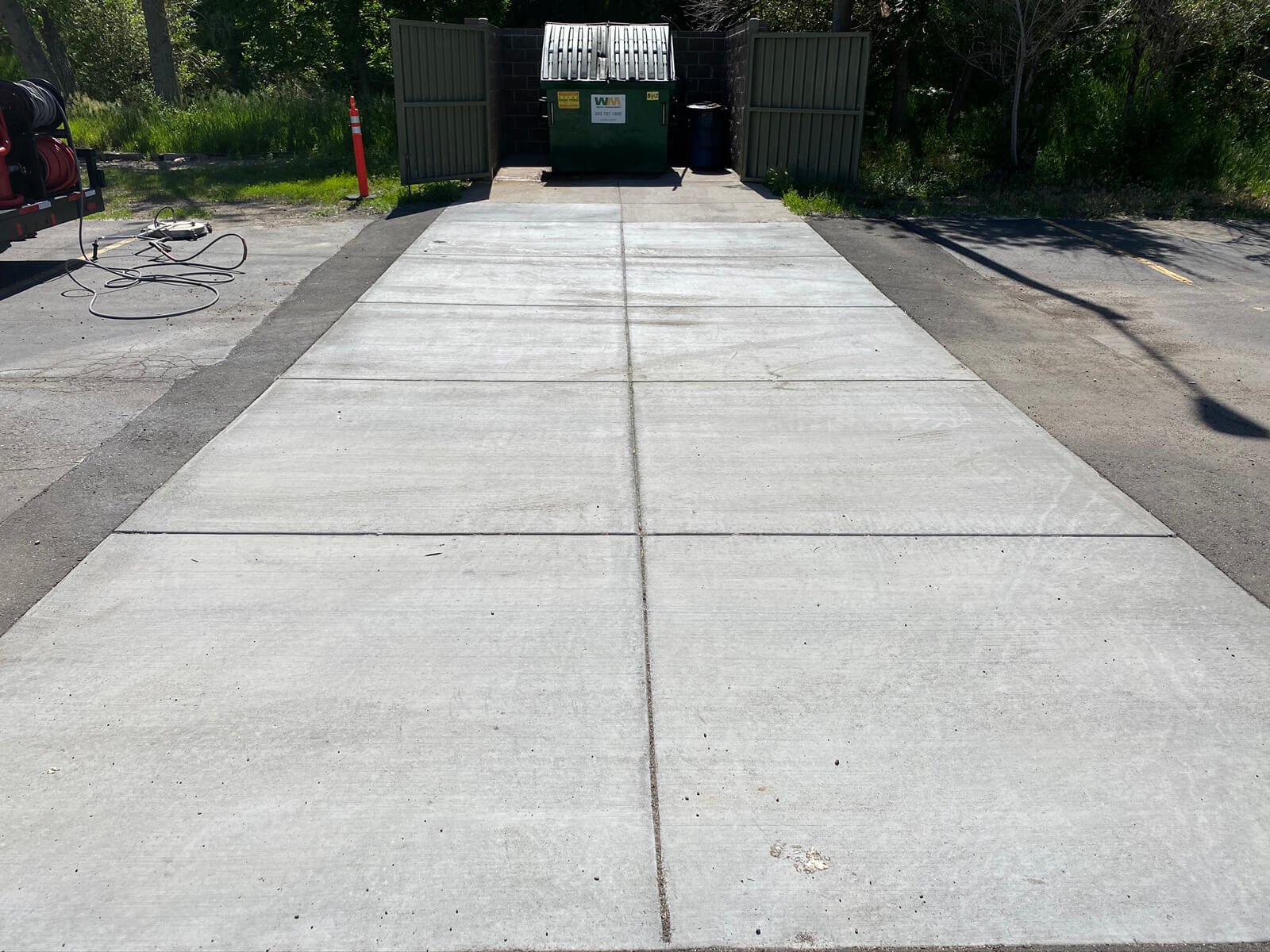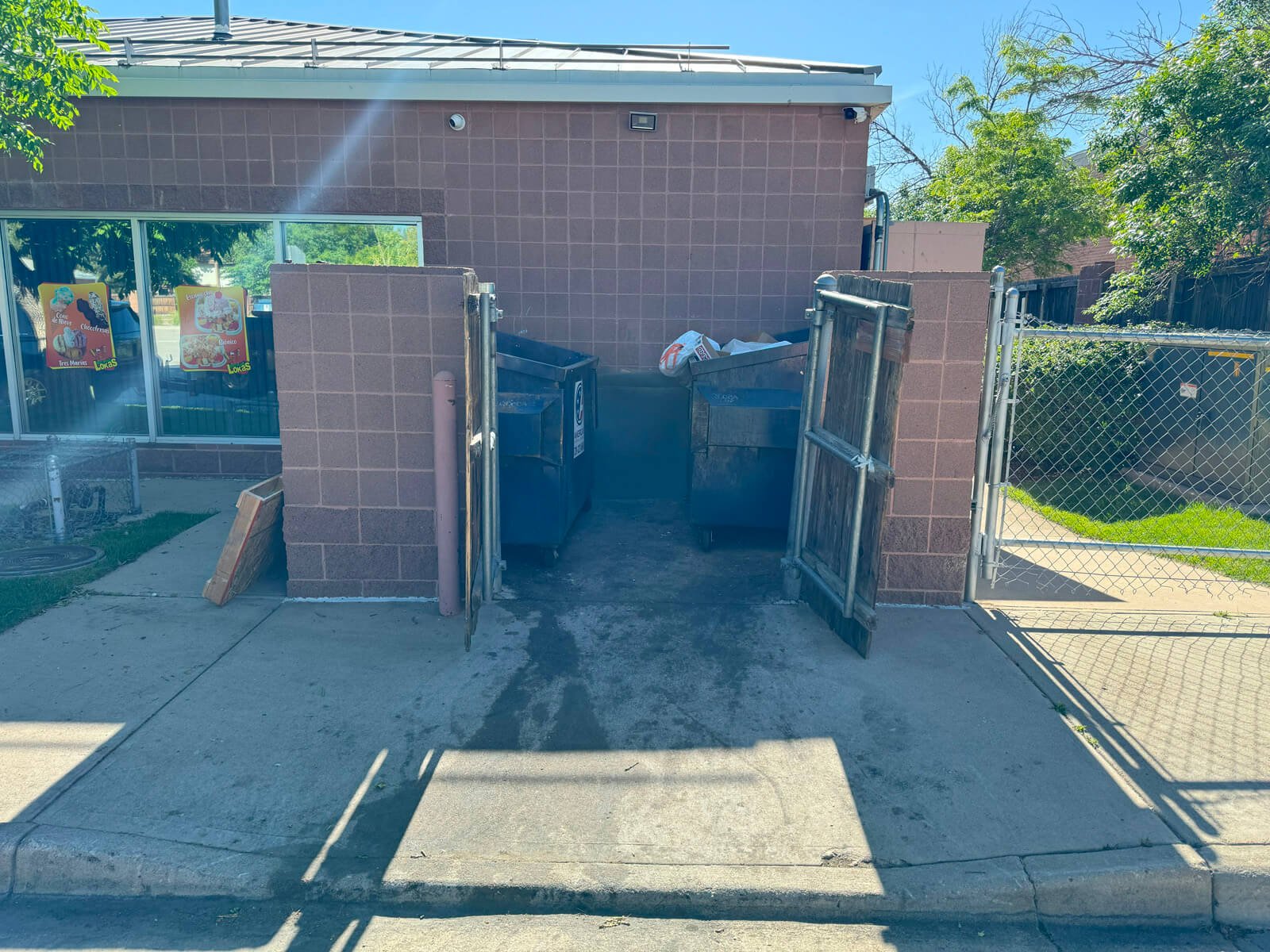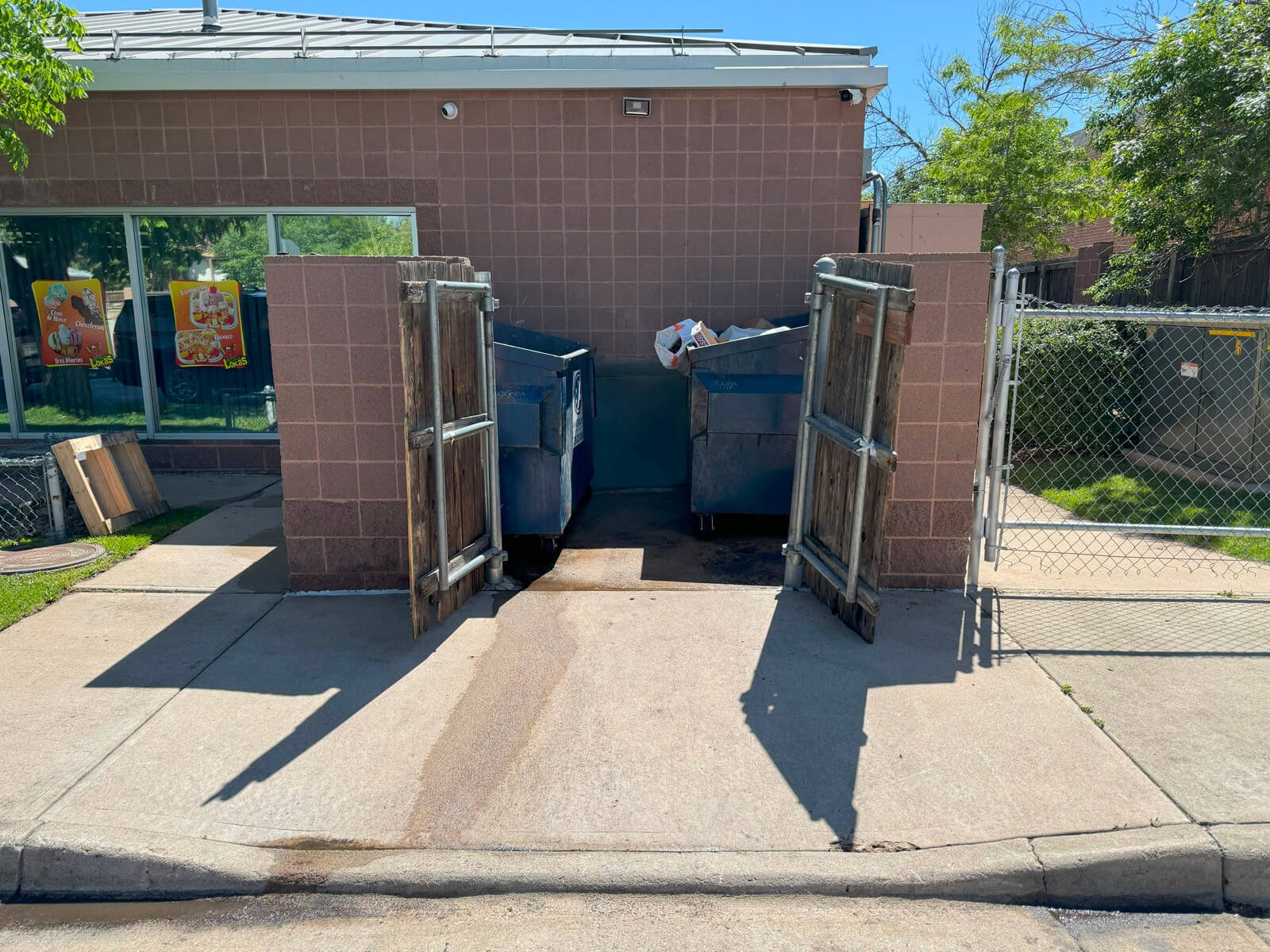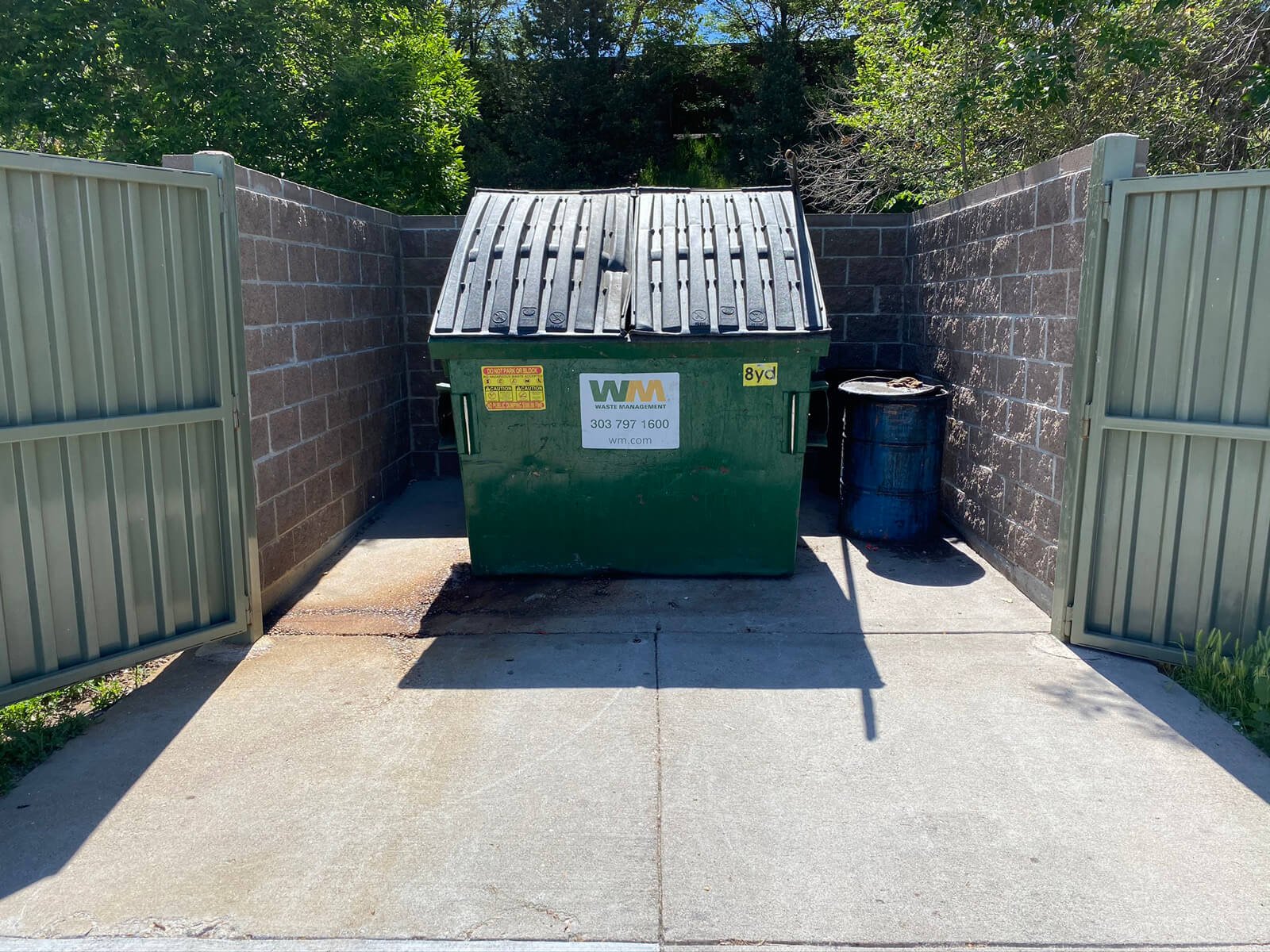
Colorado Dumpster Pad Cleaning Service
Maintaining Hygiene and Aesthetics in Waste Management Areas
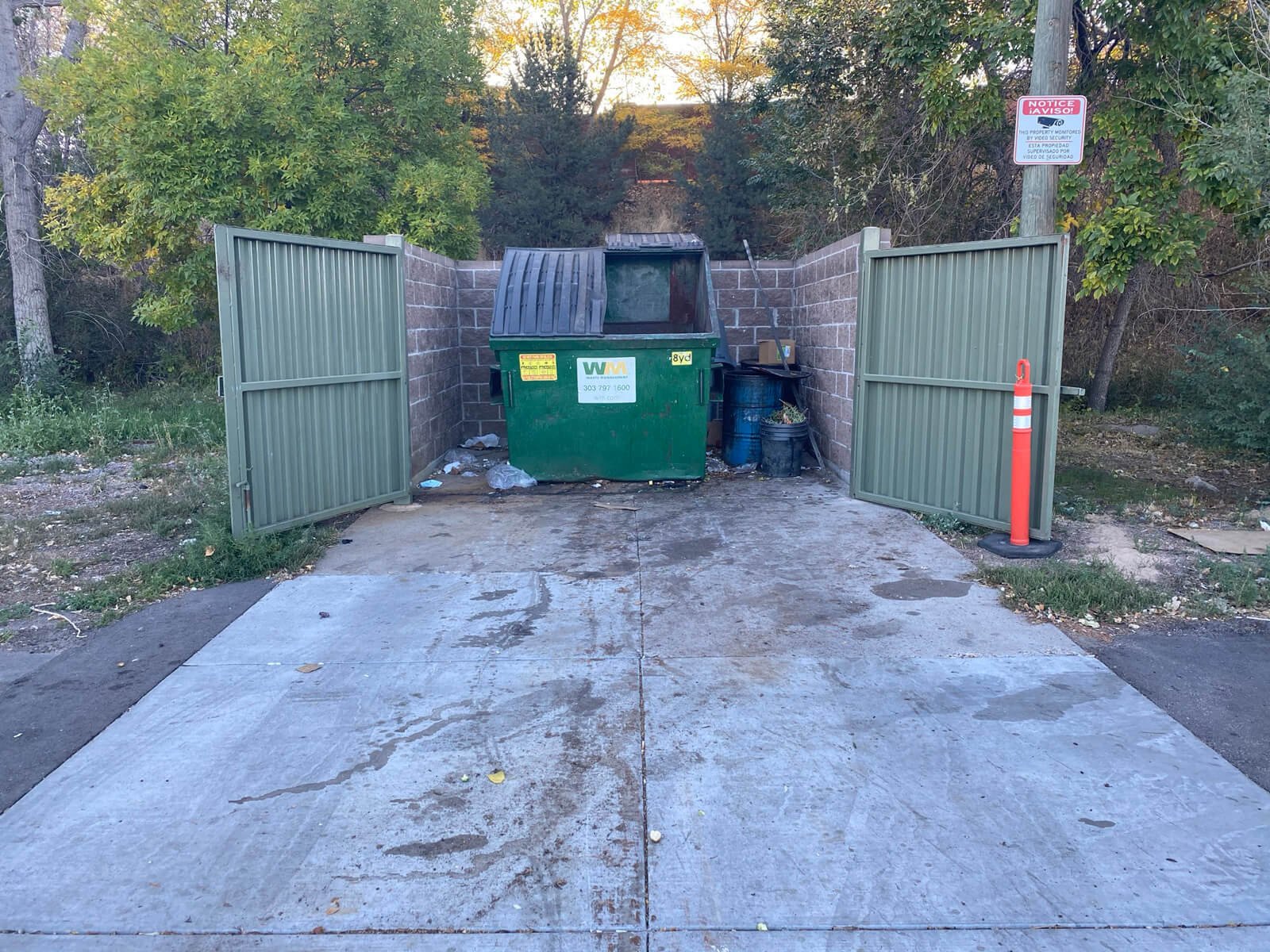
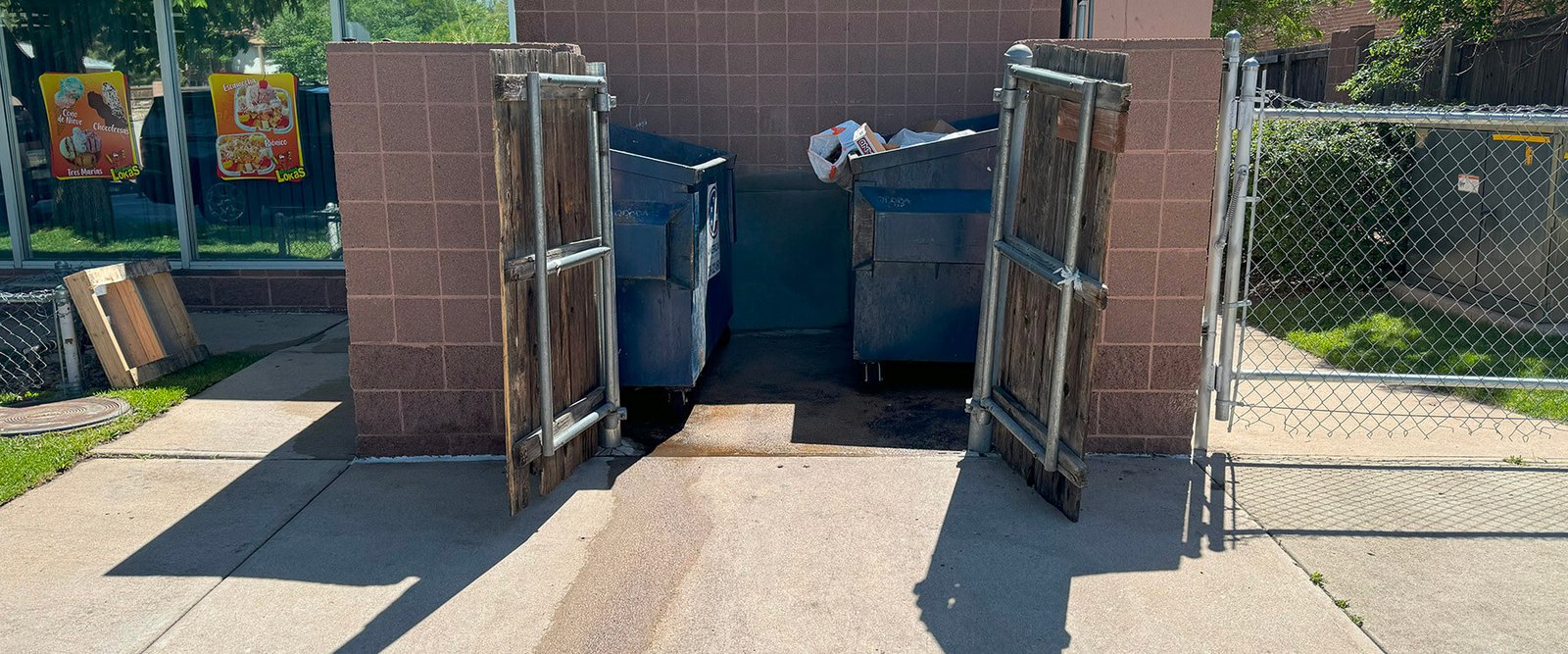
Dumpster pads are critical areas in waste management facilities where dumpsters are placed, loaded, and unloaded. These areas often collect debris, grime, and waste residues, leading to unpleasant odors, pest infestations, and unsanitary conditions. Regular pressure washing of dumpster pads is essential for maintaining hygiene, safety, and the overall aesthetics of these spaces.
Why Pressure Washing is Essential
Health and Safety
One of the primary reasons for pressure washing dumpster pads is to ensure the health and safety of employees and visitors. Accumulated waste can harbor bacteria, viruses, and other pathogens that pose serious health risks. Regular cleaning helps to eliminate these contaminants, reducing the risk of disease transmission.
Preventing Pest Infestations
Dirty and odorous dumpster pads attract pests such as rodents, insects, and birds. These pests can further spread diseases and cause damage to property. Pressure washing removes food residues and waste, making the area less attractive to pests and helping to maintain a pest-free environment.
Odor Control
Unpleasant odors from decomposing waste can be a major nuisance. Pressure washing effectively removes the organic matter that causes these odors, ensuring that the area remains fresh and clean.
Prolonging the Lifespan of Surfaces
Waste residues and chemicals can cause corrosion and damage to the surfaces of dumpster pads. Regular pressure washing helps to remove these harmful substances, prolonging the lifespan of the concrete or asphalt surfaces and reducing maintenance costs.
The Pressure Washing Process
Preparation
Before pressure washing, it is important to prepare the area. This includes removing any large debris, securing the dumpsters, and ensuring that the drainage system is functioning properly to handle the runoff water.
Choosing the Right Equipment
Selecting the appropriate pressure washer is crucial for effective cleaning. High-pressure washers with hot water capabilities are often preferred for dumpster pads, as they can break down grease and grime more effectively than cold water units. Additionally, using eco-friendly cleaning agents can enhance the cleaning process while minimizing environmental impact.
Application
The pressure washing process typically involves the following steps:
- Pre-treating the Area: Applying a degreaser or cleaning solution to the dumpster pad helps to loosen tough stains and residues.
- High-Pressure Cleaning: Using the pressure washer, the operator should methodically clean the entire surface, paying extra attention to heavily soiled areas.
- Rinsing: After the initial cleaning, the area should be thoroughly rinsed to remove any remaining cleaning agents and residues.
Post-Cleaning Inspection
Once the pressure washing is complete, it is important to inspect the area to ensure that all contaminants have been removed and that the surface is clean and safe. Any remaining stains or residues should be treated and cleaned as necessary.
Best Practices for Dumpster Pad Maintenance
Regular Cleaning Schedule
Establishing a regular cleaning schedule is essential for maintaining the cleanliness and hygiene of dumpster pads. Depending on the level of usage and the type of waste handled, this may range from weekly to monthly cleanings.
Employee Training
Proper training for employees on waste handling and cleaning procedures can significantly improve the efficiency and effectiveness of pressure washing efforts. Ensuring that staff members are aware of the importance of cleanliness and the correct use of equipment is crucial.
Environmental Considerations
Wastewater generated from pressure washing can contain contaminants that should not be released into the environment. Proper disposal methods, such as using containment systems and following local regulations, are necessary to minimize environmental impact.
Use of Eco-Friendly Products
Choosing biodegradable and non-toxic cleaning agents helps to protect the environment and the health of employees. These products are effective in breaking down waste residues without causing harm.
Conclusion
Dumpster pad cleaning is a vital aspect of maintaining hygiene, safety, and aesthetics in waste management areas. Regular cleaning helps to prevent health risks, control odors, and reduce pest infestations, while also prolonging the lifespan of surfaces. By following best practices and using the right equipment and cleaning agents, facility managers can ensure that their dumpster pads remain clean and sanitary, contributing to a healthier and more pleasant environment.
Frequently Asked Questions
How often should dumpster pads be pressure washed?
The frequency of pressure washing depends on the level of usage and the type of waste handled. Generally, a weekly to monthly schedule is recommended to maintain optimal cleanliness and hygiene.
Can I use a cold water pressure washer for dumpster pads?
While cold water pressure washers can be effective, hot water units are typically more efficient at breaking down grease and grime, making them the preferred choice for heavily soiled areas like dumpster pads.
What cleaning agents should be used for pressure washing dumpster pads?
Eco-friendly, biodegradable cleaning agents are recommended to minimize environmental impact and ensure the safety of employees. Degreasers and specialized waste cleaning solutions can enhance the effectiveness of the pressure washing process.
What precautions should be taken when pressure washing dumpster pads?
It is important to prepare the area by removing large debris and ensuring proper drainage. Using appropriate personal protective equipment (PPE) and following local regulations for wastewater disposal are also crucial for safe and effective cleaning.