Colorado Industrial Pressure Washing Service
Restoring Cleanliness, Efficiency, and Safety in Industrial Environments
Industrial facilities encounter some of the toughest grime, debris, and contaminants. Whether it’s manufacturing plants, warehouses, or processing centers, maintaining a clean environment is not just about aesthetics—it’s crucial for operational efficiency, safety, and compliance. This is where industrial pressure washing services come into play, offering powerful solutions that go far beyond what traditional cleaning methods can achieve.
What is Industrial Pressure Washing?
Industrial pressure washing is a specialized cleaning process that uses high-pressure water jets to remove dirt, grease, oil, mold, paint, and other stubborn substances from surfaces and equipment. Unlike standard commercial or residential pressure cleaning, industrial applications often require higher pressures, hot water or steam, specialized cleaning agents, and experienced technicians to handle the unique challenges of large-scale or hazardous environments.
Key Applications of Industrial Pressure Washing
- Factory Floors and Production Areas: Remove oil spills, chemical residues, and general grime to ensure safe working conditions and compliance with regulations.
- Heavy Machinery and Equipment: Maintain equipment performance and longevity by cleaning off dust, grease, and material build-up.
- Warehouse Exteriors and Loading Bays: Enhance curb appeal, reduce slip hazards, and prevent corrosion caused by accumulated dirt and pollutants.
- Storage Tanks and Silos: Eliminate harmful contaminants, mold, and residues inside and outside tanks to ensure product integrity and facility safety.
- Pipelines and Industrial Ductwork: Clear blockages, remove hazardous materials, and maintain system efficiency.
- Parking Lots and Driveways: Remove oil stains, gum, and debris for a safer environment for staff and visitors.
- Graffiti and Paint Removal: Restore surfaces and maintain a professional appearance by swiftly removing unauthorized markings.
Benefits of Industrial Pressure Washing
- Enhanced Safety: A clean facility lowers the risk of slips, falls, and exposure to hazardous substances.
- Compliance with Regulations: Many industries are required to maintain strict sanitation standards. Professional pressure washing helps meet these legal obligations.
- Prolonged Equipment Life: Regular removal of corrosive contaminants protects machines and infrastructure, reducing costly repairs and downtime.
- Improved Operational Efficiency: Clean workspaces promote smooth workflow and minimize distractions caused by dirt and clutter.
- Eco-Friendly Solutions: Modern pressure washing can use biodegradable detergents and water reclamation systems to minimize environmental impact.
- Better First Impressions: A spotless facility boosts morale among workers and reassures visitors and clients of your professionalism.
The Pressure Washing Process
1. Site Assessment and Preparation
Before any cleaning takes place, professionals conduct a thorough evaluation of the site. This includes identifying areas of concern, assessing surface types, checking for hazardous materials, and determining the best cleaning approach. Safety protocols are established, and sensitive equipment or areas are protected or covered.
2. Equipment and Technique Selection
Industrial pressure washers come in various configurations—cold water, hot water, and steam units—with adjustable pressures and flow rates. The choice depends on the level and type of contamination:
- Grease and oil may require hot water and detergents.
- Paint removal often calls for higher pressures or specialized nozzles.
- Delicate surfaces may need lower pressures and softer brushes.
3. Application of Cleaning Agents
Sometimes, water alone is insufficient to break down stubborn grime. Biodegradable degreasers, disinfectants, and specialty detergents are carefully chosen for their effectiveness and environmental friendliness.
4. High-Pressure Cleaning
Technicians systematically clean the targeted areas using the selected equipment. Skill and precision are vital to avoid damaging surfaces or equipment.
5. Rinse and Recovery
After contaminants are removed, the area is thoroughly rinsed. Reclamation systems may be used to collect, filter, and recycle water, especially important in facilities with strict environmental regulations.
6. Final Inspection
A post-cleaning inspection ensures that all targeted contaminants have been removed and that the facility meets cleanliness and safety standards.
Choosing a Professional Industrial Pressure Washing Service
Picking the right provider is crucial to achieving the best results with minimal disruption to your operations. Here’s what to look for:
- Experience and Expertise: Look for specialists with a proven track record in industrial settings. They should have experience with various surfaces, contaminants, and industry-specific challenges.
- Certifications and Compliance: The provider should be up-to-date on OSHA and EPA regulations and able to handle hazardous materials safely.
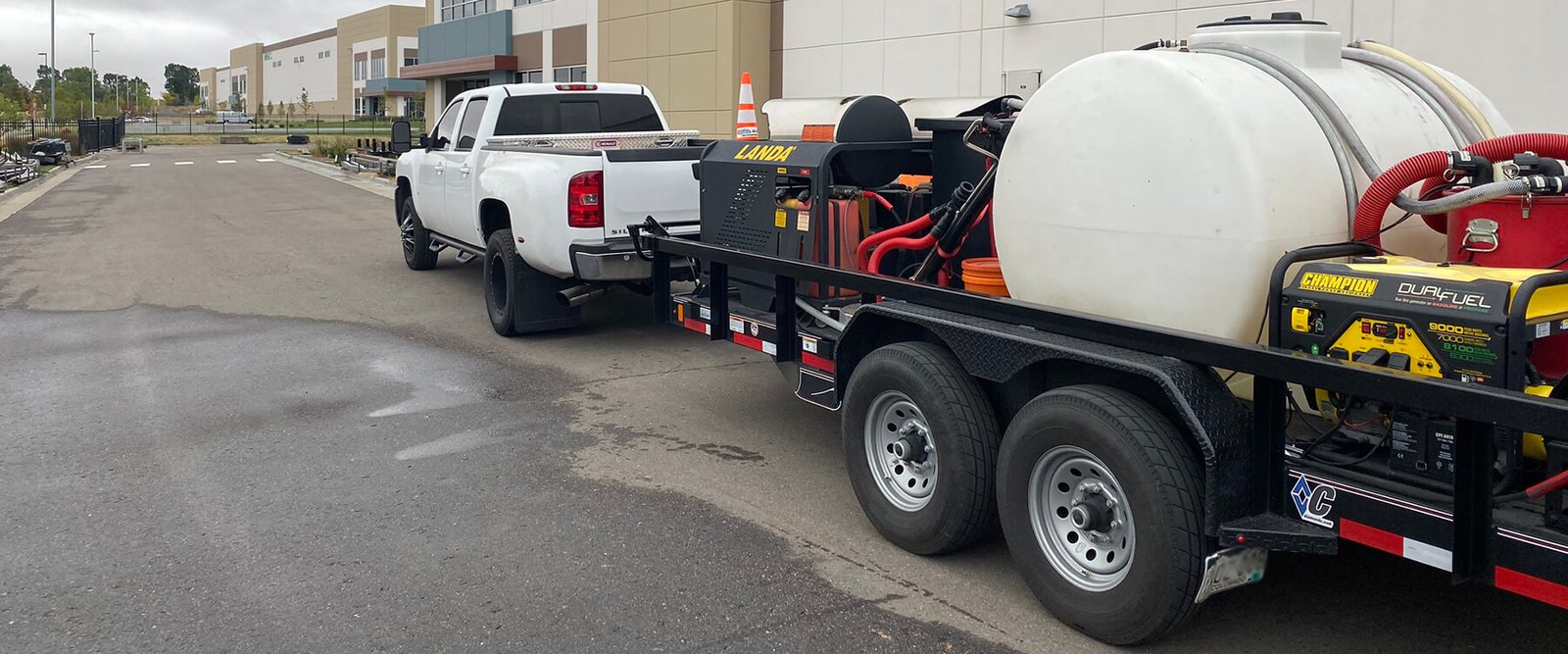
- Equipment Quality: Modern, well-maintained machinery ensures efficient, high-quality cleaning with minimal downtime.
- Customized Solutions: Every site is unique. The best companies tailor their methods and schedules to your needs, whether it’s one-time deep cleaning or regular maintenance.
- Environmental Practices: Eco-conscious firms use water-saving technologies and non-toxic detergents, and properly manage wastewater disposal.
- Safety Record: The provider should have a strong safety culture and comprehensive insurance, protecting both their technicians and your property.
- References and Reviews: Ask for client testimonials or case studies demonstrating past success in similar settings.
Industry-Specific Considerations
Industrial settings can vary widely. Here are examples of how services adapt to different sectors:
- Food Processing: Extra care is taken to avoid contamination. Food-safe cleaning agents and strict protocols are followed.
- Automotive and Manufacturing: Heavy oils, paints, and metal shavings require hot water systems and strong detergents.
- Chemical Plants: Technicians are trained to identify and safely handle hazardous residues.
- Warehousing and Logistics: High-traffic loading docks and walkways benefit from routine cleaning to maintain safety and operational flow.
- Energy and Utilities: Cleaning of substations, turbines, and cooling towers often requires specialized equipment and access strategies.
Safety and Environmental Responsibility
Safety is paramount in industrial cleaning. Professional services implement strict protocols:
- Pre-job safety briefings and risk assessments
- Personal protective equipment (PPE) for all staff
- Lockout/tagout procedures where applicable
- Proper signage and barriers to keep non-essential personnel clear of the work area
- Emergency spill containment and response plans
Environmental responsibility is also a major concern. Leading companies strive to:
- Minimize water and chemical use
- Capture and dispose of wastewater in accordance with regulations
- Choose biodegradable, non-toxic cleaning solutions whenever possible
Preparing Your Facility for Service
To ensure efficient and effective cleaning:
- Inform staff about scheduled cleaning and any areas that will be inaccessible.
- Remove sensitive items and secure loose objects in the cleaning area.
- Identify and communicate any known hazards to the cleaning team.
- Provide access to water sources and electrical outlets if needed.
Frequently Asked Questions
- How often should industrial pressure washing be scheduled?
This depends on your facility’s usage, industry regulations, and the nature of contaminants. Some sites require monthly service, while others may need quarterly or annual cleaning. - Is pressure washing safe for all surfaces?
Experienced providers adjust pressure and select appropriate nozzles and detergents for each surface to prevent damage. - How long does the process take?
The timeframe varies based on the size of the area and the amount of buildup present. Providers can estimate durations during the assessment phase. - Will operations need to stop during cleaning?
Many services can work during off-hours or in sections, minimizing disruption to your business. - Are there eco-friendly options?
Ask providers about biodegradable detergents and water reclamation systems.
Conclusion
Industrial pressure washing is an indispensable part of facility management, ensuring that your operations run smoothly, safely, and in compliance with regulatory standards. By choosing a professional service provider with the right expertise and commitment to safety and the environment, you not only maintain your assets, but also create a healthier workplace and a positive impression for clients and visitors. Invest in regular industrial pressure washing to protect your facility, your team, and your reputation.