Colorado Environmental Pressure Washing Services
Sustainable Solutions for a Cleaner Future
Pressure washing, also known as power washing, has become an essential part of cleaning and maintenance across a wide variety of industries and residential settings. From revitalizing building exteriors and sidewalks to preparing surfaces for painting or sealing, pressure washing offers an efficient and effective means of removing stubborn dirt, grime, mold, and pollutants. However, traditional pressure washing techniques can sometimes come at a cost to the environment. As our collective awareness grows about the importance of environmental responsibility, the practice of environmental pressure washing has emerged as a sustainable alternative that balances the need for cleanliness with the imperative to protect our natural surroundings.
What Is Environmental Pressure Washing?
Environmental pressure washing refers to the use of pressure washing techniques that prioritize minimizing environmental impact. This includes employing eco-friendly cleaning agents, utilizing water conservation methods, managing runoff properly, and adhering to regulations that prevent contamination of soil and waterways. The goal is to achieve the same level of cleanliness as traditional methods while reducing harm to the ecosystem.
The Environmental Impact of Traditional Pressure Washing
Ordinary pressure washing often involves the use of harsh chemicals and large quantities of water, which can lead to several environmental issues:
- Water Waste: High-pressure washers can use thousands of gallons of water per session, straining local water resources.
- Chemical Runoff: Detergents and solvents used in cleaning can find their way into storm drains, rivers, and lakes, harming aquatic life and contaminating drinking water sources.
- Soil Erosion and Displacement: Excessive water pressure may erode soil, disturb landscaping, and contribute to sedimentation in bodies of water.
- Air Quality Concerns: Some cleaning chemicals emit volatile organic compounds (VOCs), which contribute to air pollution and can affect respiratory health.
These challenges underscore the need for a more sustainable approach to pressure washing.
Principles of Eco-Friendly Pressure Washing
Environmental pressure washing is guided by several key principles designed to reduce ecological impact:
- Water Conservation: Utilizing low-flow nozzles, recycling systems, and high-efficiency equipment to limit water usage.
- Biodegradable and Non-Toxic Detergents: Selecting cleaning agents that break down naturally and do not harm wildlife or water quality.
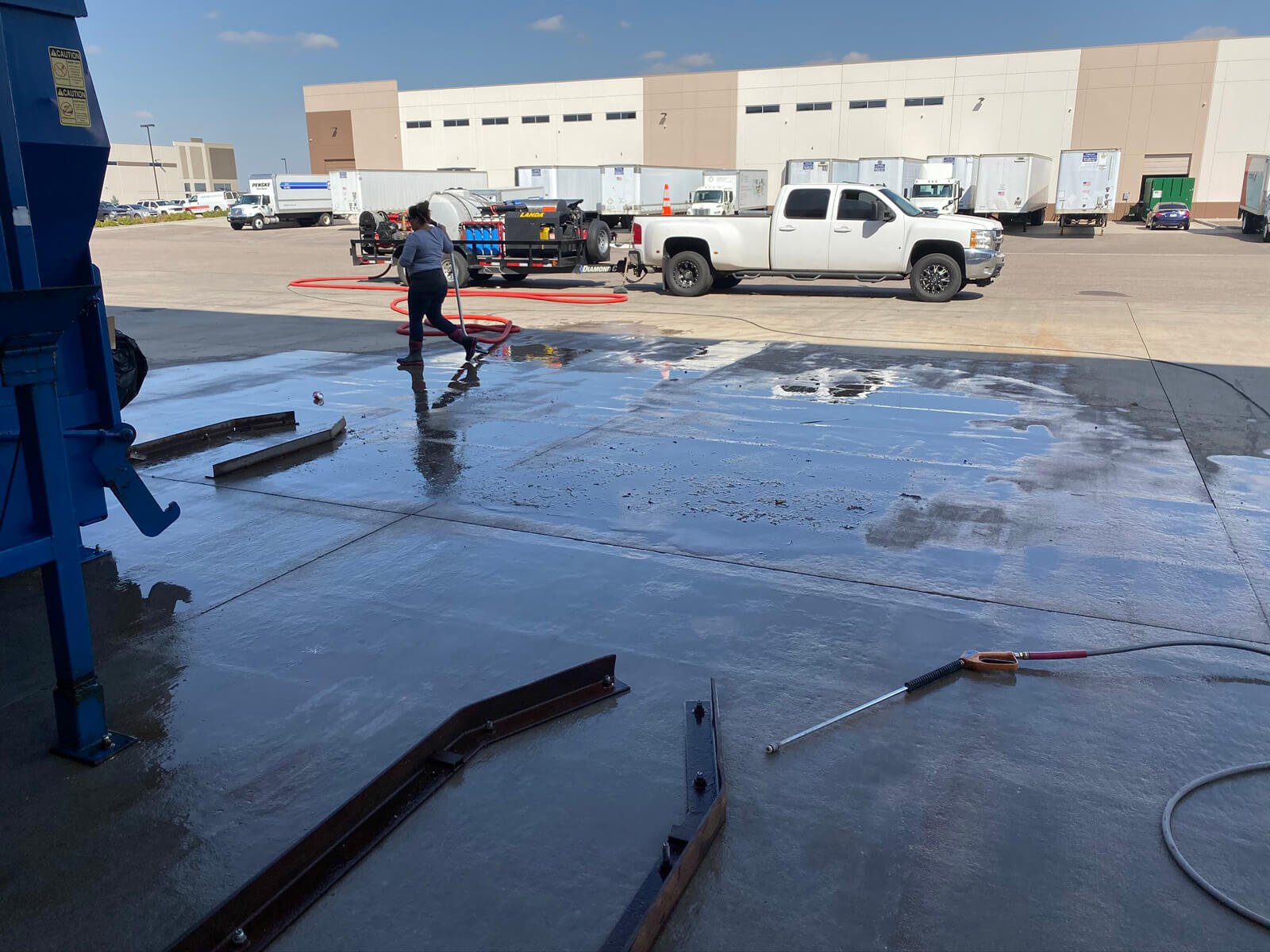
- Proper Wastewater Management: Employing containment and filtration systems to prevent contaminated runoff from entering stormwater systems.
- Regulatory Compliance: Following all local, state, and federal regulations regarding chemical use, water runoff, and environmental protection.
- Education and Training: Ensuring that operators are knowledgeable about sustainable practices and proper equipment use.
Benefits of Environmental Pressure Washing
Switching to eco-friendly pressure washing methods brings a host of advantages, not only for the environment but also for businesses, property owners, and communities:
- Protects Natural Resources: Reduces water waste and prevents contamination of soil and water bodies.
- Improves Public Health: Limits exposure to harmful chemicals and reduces air and water pollution.
- Enhances Property Value: Clean, well-maintained properties attract customers and tenants while promoting a positive community image.
- Regulatory Compliance: Avoids fines and legal issues associated with improper chemical disposal and runoff.
- Long-Term Cost Savings: High-efficiency equipment and water recycling systems can reduce operational costs over time.
Best Practices for Sustainable Pressure Washing
To ensure that cleaning projects are conducted with minimal environmental impact, a variety of best practices can be implemented:
1. Assess the Area and Materials
Before beginning any project, survey the area to determine the type of surfaces being cleaned, the contaminants present, and the proximity to drains, landscaping, or water bodies. This helps in selecting appropriate pressure settings and cleaning agents and in planning containment measures.
2. Choose the Right Equipment
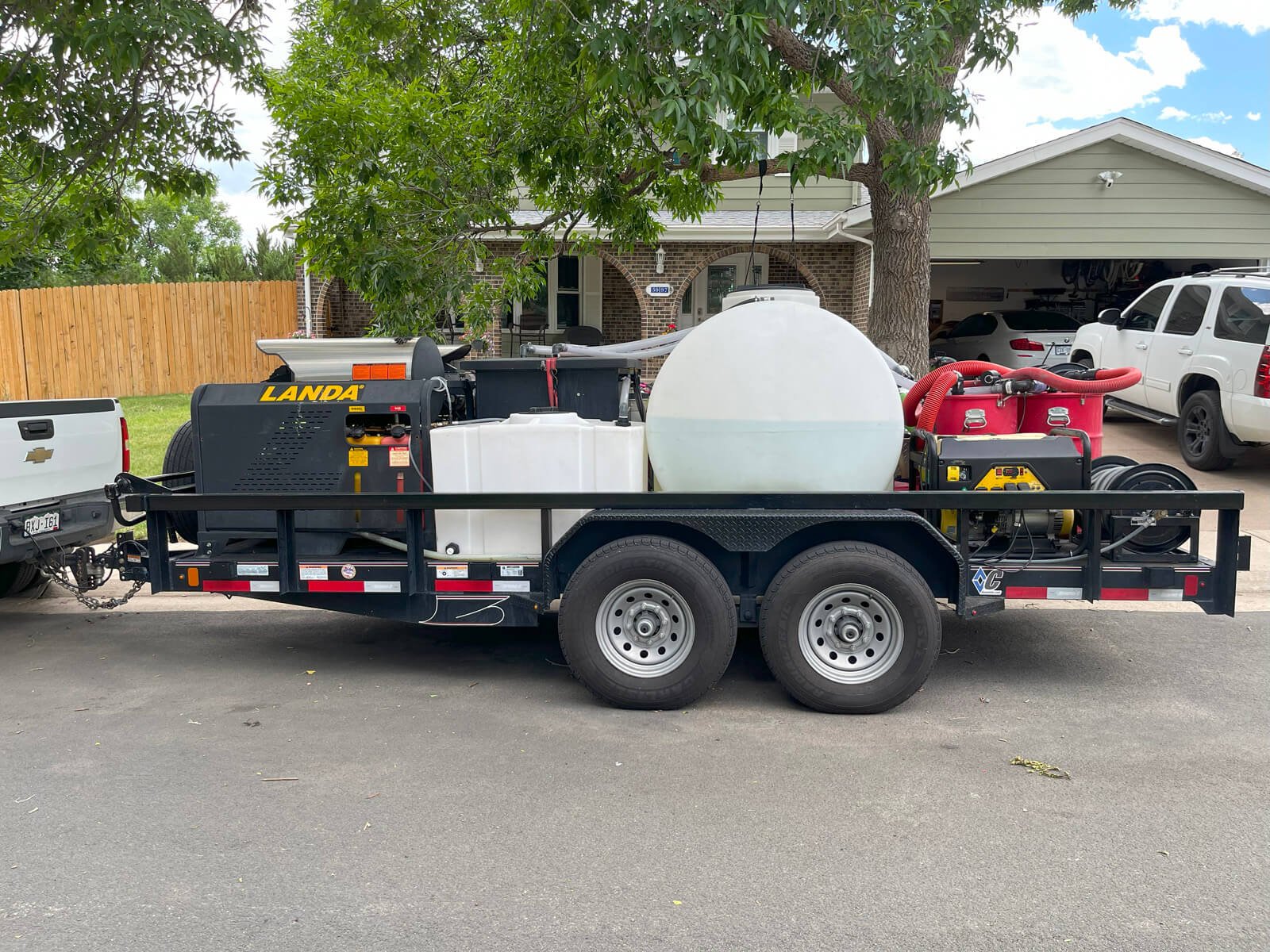
Modern pressure washers are available with a range of eco-friendly features, including adjustable pressure settings, low-flow nozzles, and water recycling systems. Choosing the right equipment ensures efficient cleaning while reducing water and energy consumption.
3. Use Eco-Friendly Cleaning Solutions
Opt for biodegradable, phosphate-free, and non-toxic detergents specifically designed for pressure washing. Avoid harsh chemicals like bleach or ammonia unless absolutely necessary and ensure they are used in controlled environments.
4. Prevent and Manage Runoff
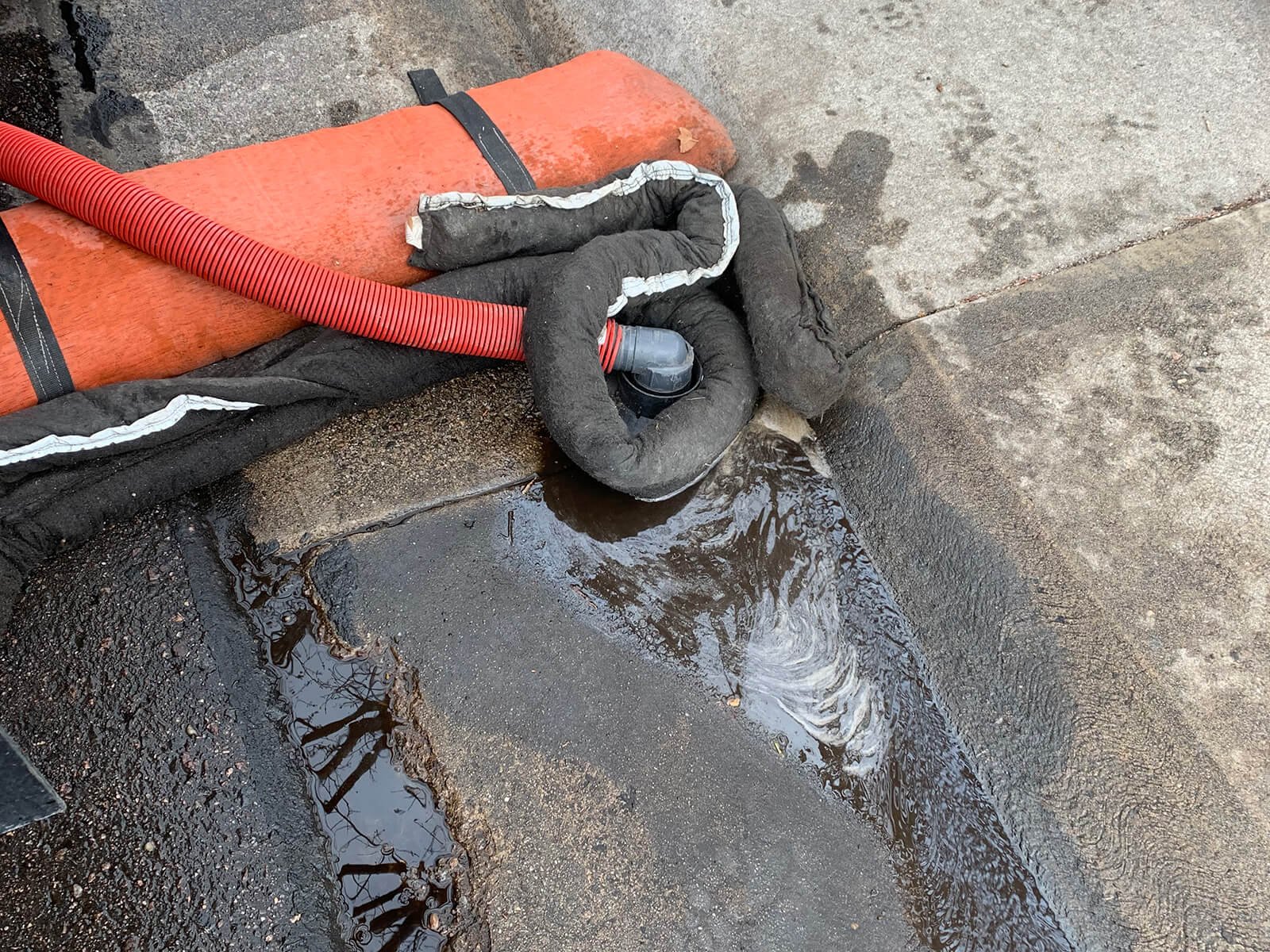
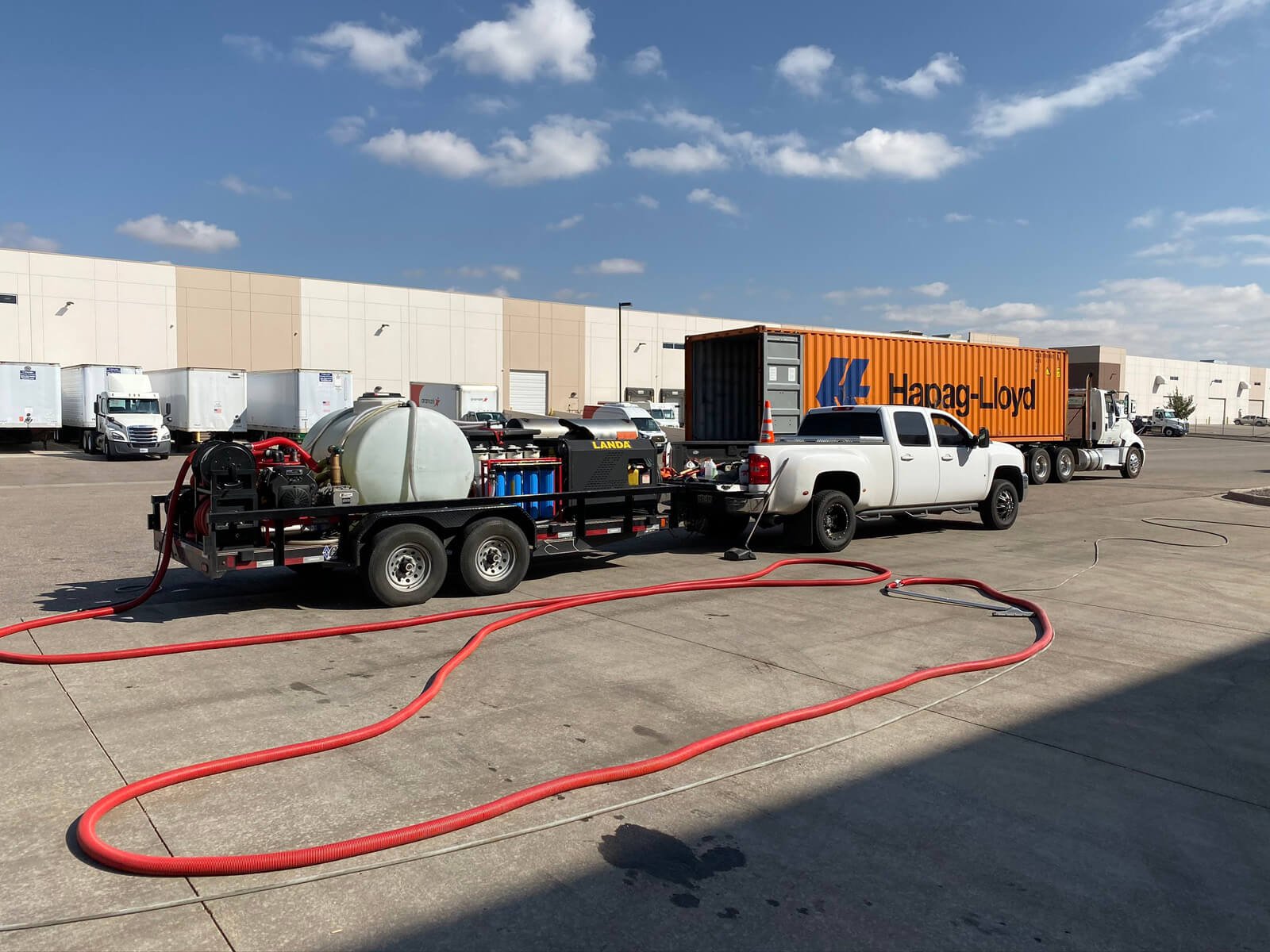
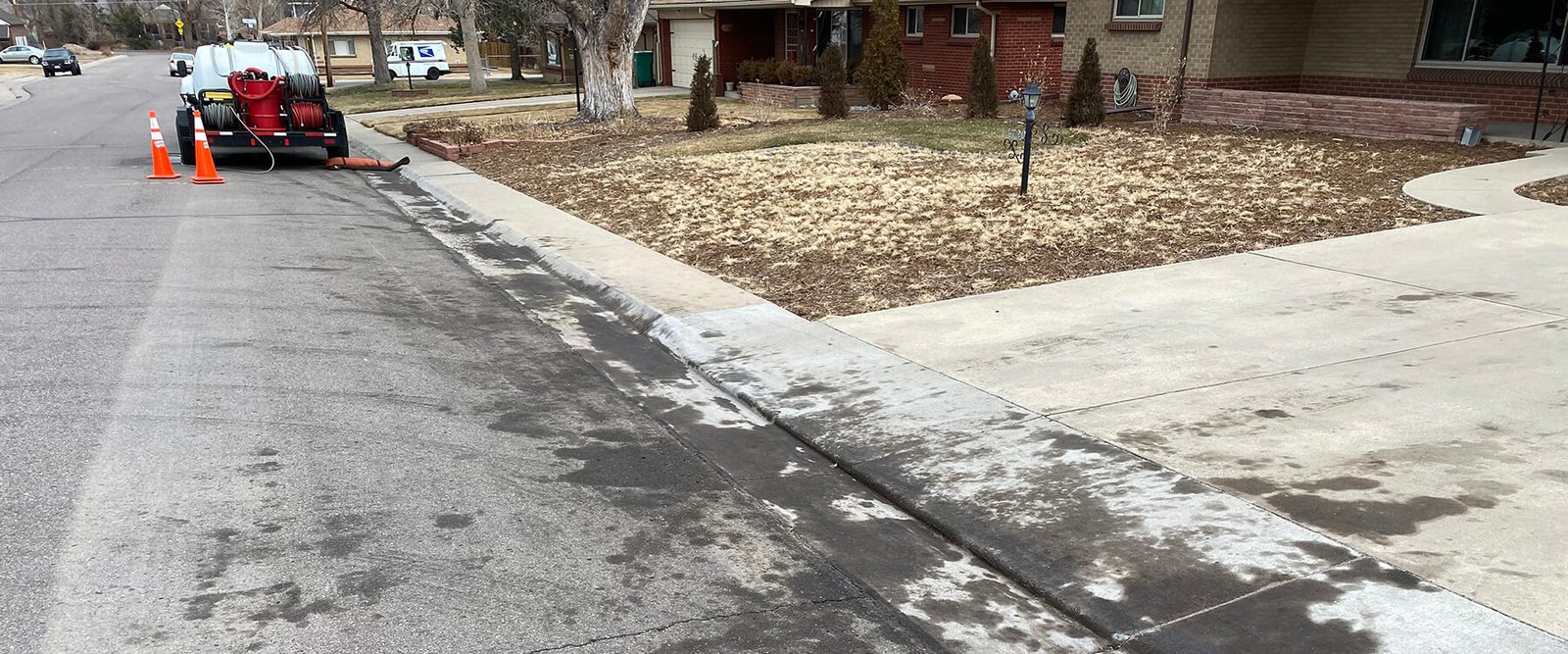
Runoff from pressure washing can carry pollutants directly into storm drains, which often lead to rivers and lakes. Containment berms, vacuum recovery systems, and portable filtration units can capture and treat wastewater, preventing environmental contamination.
5. Schedule Wisely
Plan cleaning activities during dry weather to reduce the risk of runoff during rainfall. This also allows for more effective containment and handling of wastewater.
6. Educate and Train Operators
Operators should be trained on proper use of equipment, eco-friendly cleaning agents, and containment procedures. Awareness of local regulations is essential for compliance and environmental stewardship.
Common Applications of Environmental Pressure Washing
Environmental pressure washing is applicable in a wide variety of settings, including:
- Commercial Buildings: Cleaning exterior walls, roofs, and pavements while protecting landscaping and preventing runoff into storm drains.
- Residential Properties: Homeowners use eco-friendly pressure washing for driveways, patios, decks, and home exteriors to maintain curb appeal responsibly.
- Public Spaces: Municipalities employ sustainable methods to clean sidewalks, parks, monuments, and transportation infrastructure, keeping public areas safe and attractive.
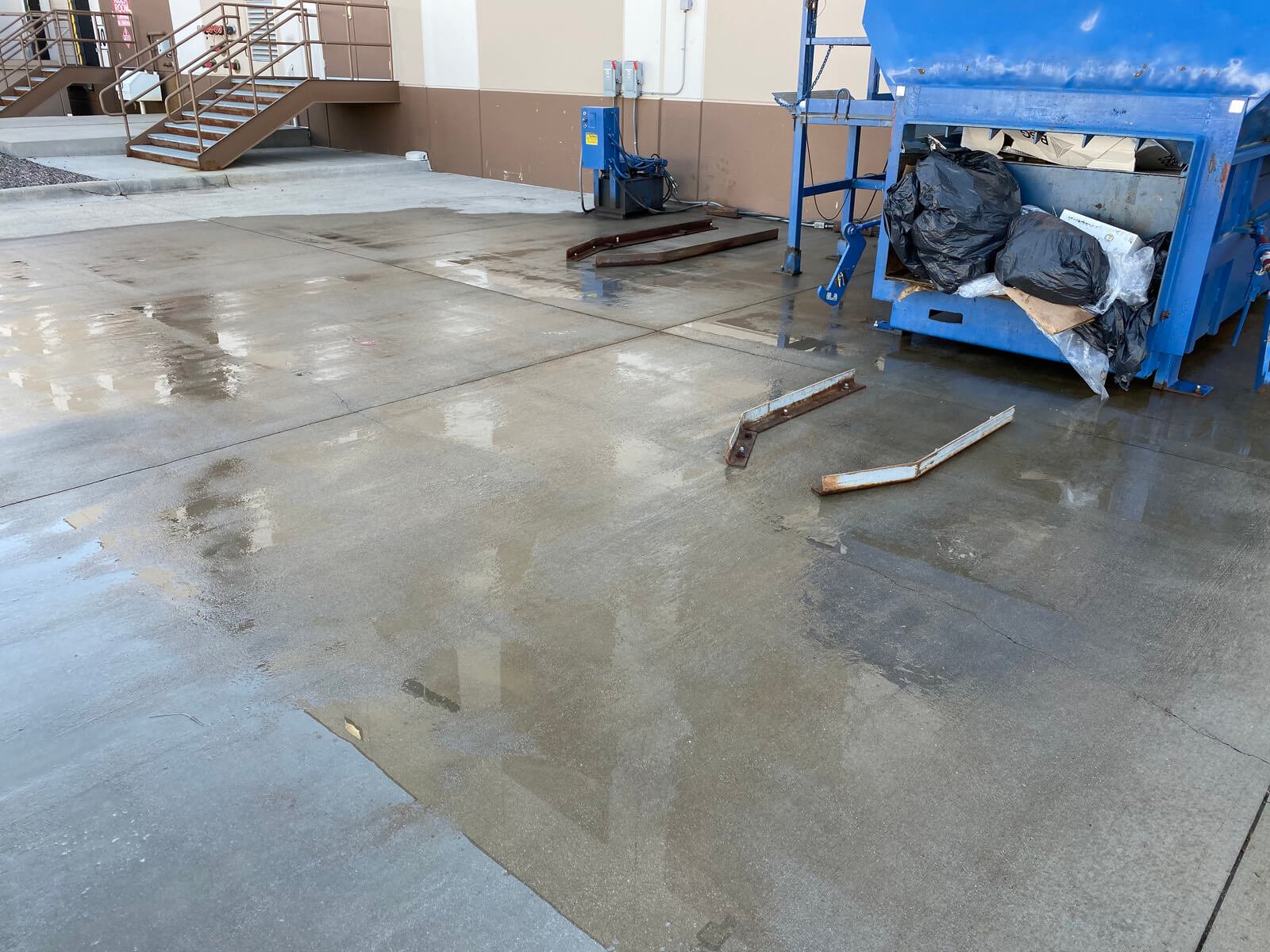
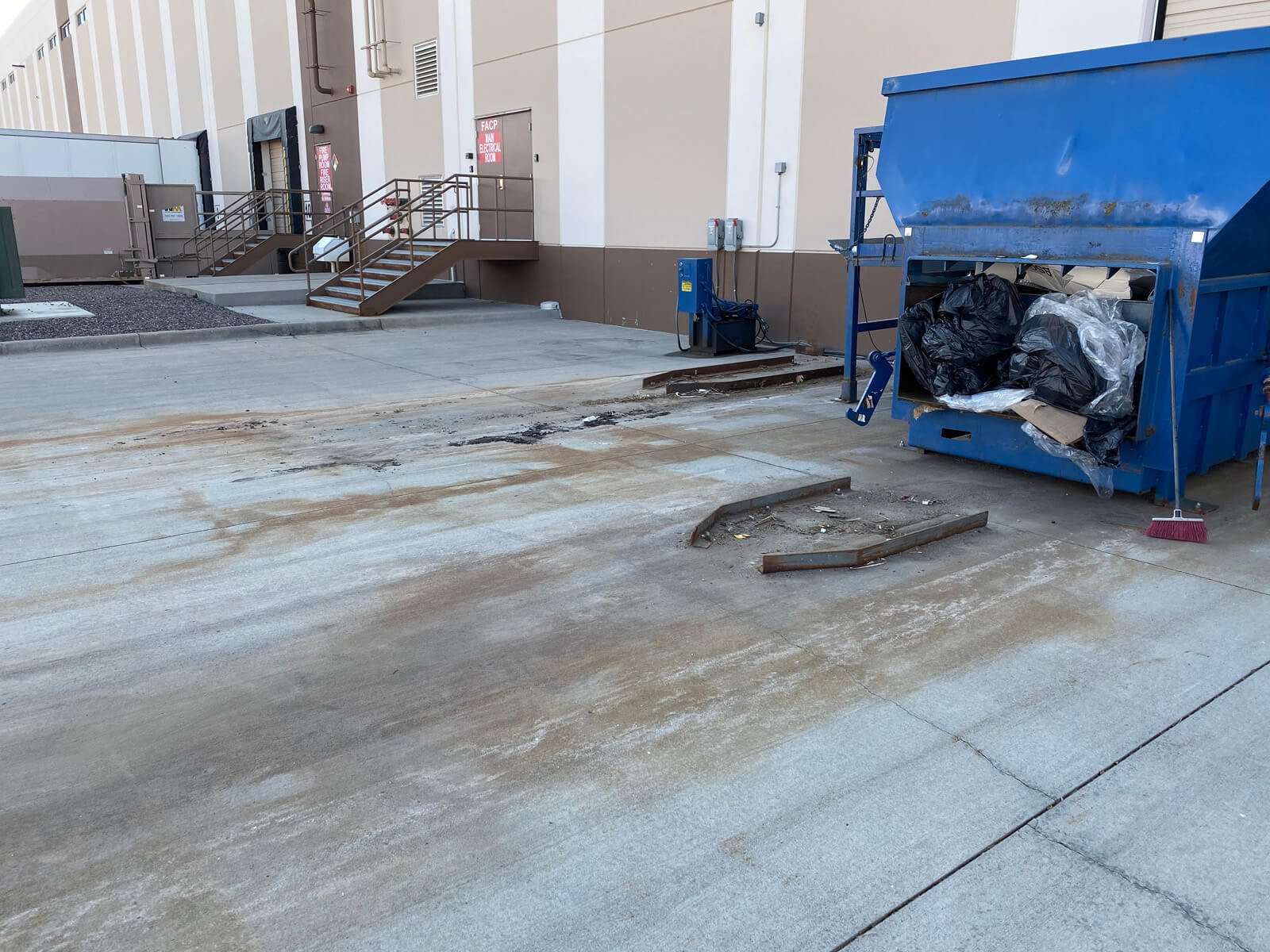
- Industrial Facilities: Factories and warehouses benefit from pressure washing to remove pollutants and residues, with strict controls to avoid environmental hazards.
- Fleet and Equipment Maintenance: Cleaning vehicles and machinery using water recycling systems and non-toxic detergents to prevent hazardous runoff.
Innovations and Future Trends in Eco-Friendly Pressure Washing
The field of environmental pressure washing is rapidly evolving as technology advances and regulatory standards become more stringent. Emerging trends include:
- Waterless and Steam-Based Systems: Some cleaning systems now use superheated steam or a minimum amount of water, dramatically reducing consumption and runoff.
- Smart Equipment: Integration of sensors and automation allows for precise control of water flow, pressure, and chemical dosing, optimizing efficiency and minimizing waste.
- Wastewater Recycling and Treatment: Portable systems that capture, filter, and reuse wash water are becoming more accessible and affordable.
- Green Certification: Industry certification programs and eco-labels encourage businesses to adopt sustainable practices and provide assurance to environmentally conscious customers.
- Community Engagement: Public awareness campaigns and partnerships between businesses and local governments foster a culture of environmental responsibility.
Challenges and Considerations
While environmental pressure washing offers numerous benefits, several challenges remain:
- Initial Costs: Eco-friendly equipment and containment systems can require a higher upfront investment compared to traditional methods.
- Regulatory Complexity: Navigating a patchwork of local, state, and federal regulations regarding water use and chemical disposal can be daunting.
- Performance Concerns: Some biodegradable detergents may be less effective against certain types of contaminants, requiring additional effort or repeat applications.
- Operator Training: Ensuring that all staff are adequately trained in sustainable practices is essential, but can be time-consuming and require ongoing education.
Conclusion
Environmental pressure washing represents a crucial step forward in the pursuit of a cleaner, healthier, and more sustainable world. By embracing eco-friendly techniques, choosing responsible cleaning agents, and investing in proper training and equipment, property owners and service providers can enjoy the benefits of professional-grade cleaning without sacrificing environmental integrity. As technology continues to progress and public demand for sustainability grows, the future of pressure washing will undoubtedly be greener, cleaner, and more conscientious.
Ultimately, environmental pressure washing is not just about removing dirt—it’s about doing so in a way that preserves the natural beauty and health of our communities for generations to come.