Colorado HVAC Coil Cleaning Services
Ensuring Optimal Performance and Efficiency
The HVAC system is an integral part of any building’s infrastructure, providing heating, ventilation, and air conditioning services to ensure a comfortable indoor climate. One of the critical components of an HVAC system is the coil. Over time, these coils can accumulate dirt, dust, and debris that reduce their efficiency and effectiveness. Regular cleaning of HVAC coils is essential to maintain the system’s performance and extend its lifespan. This guide offers insights into the importance, methods, and benefits of HVAC coil cleaning.
The Importance of HVAC Coil Cleaning
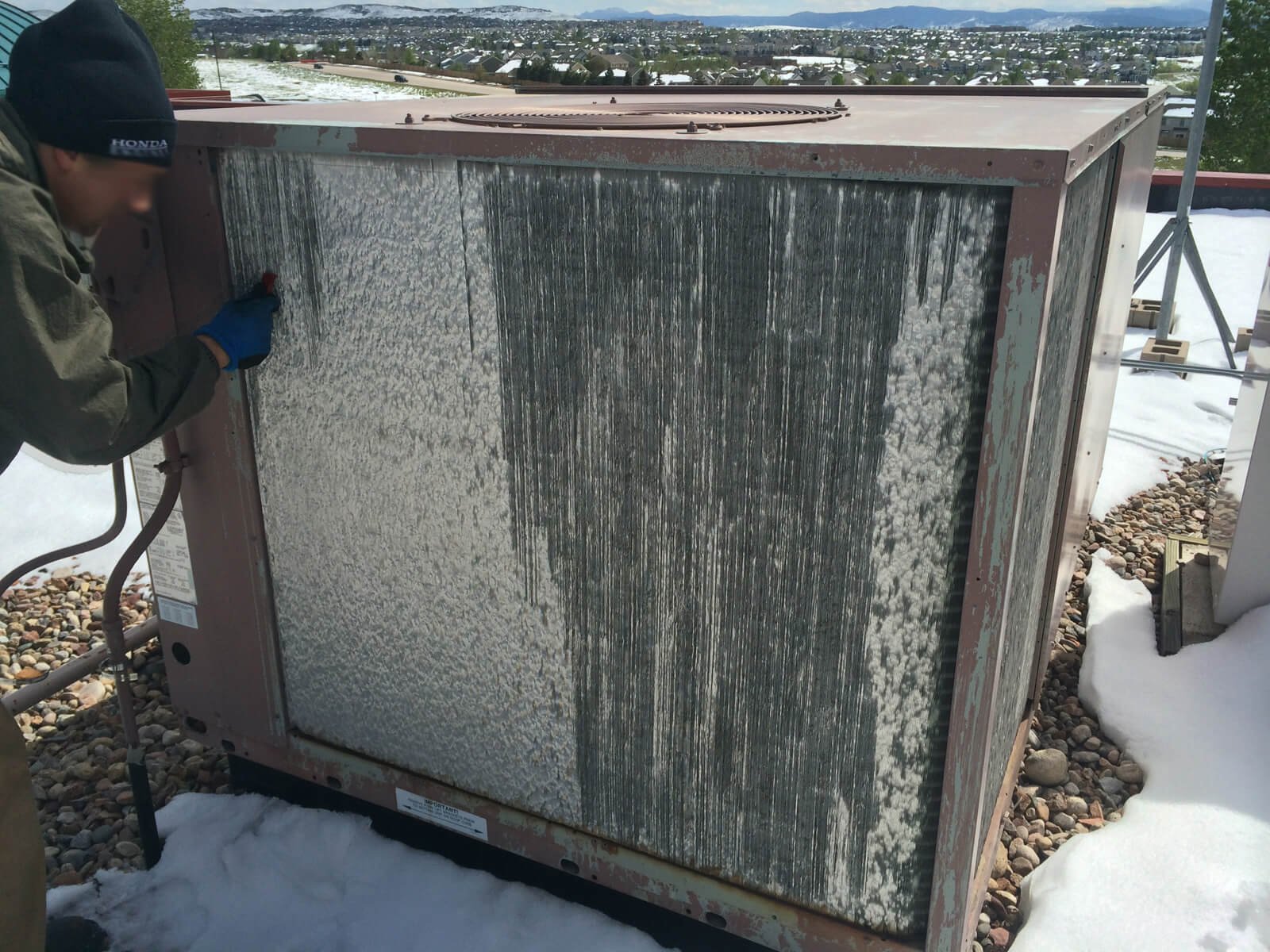
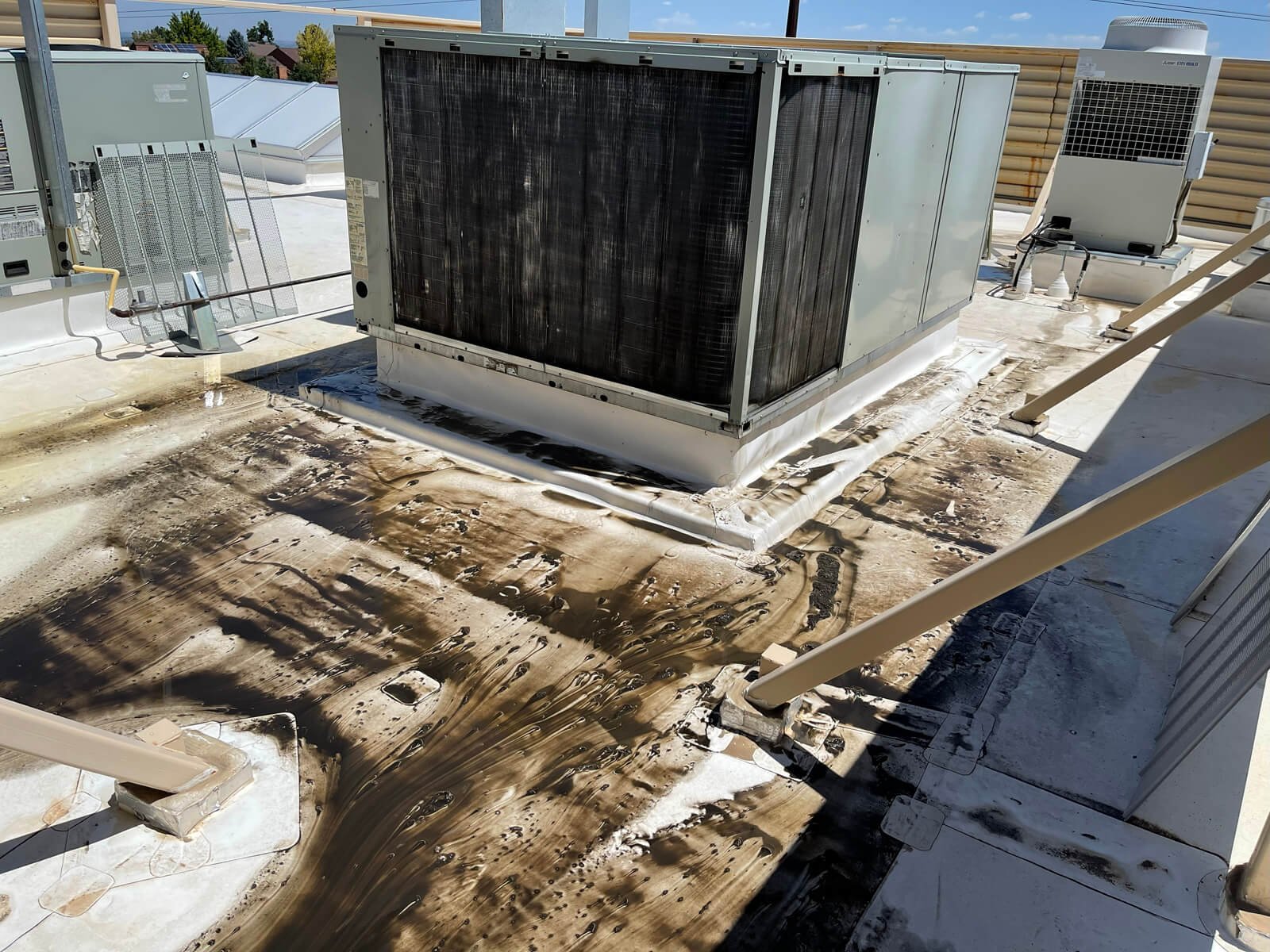
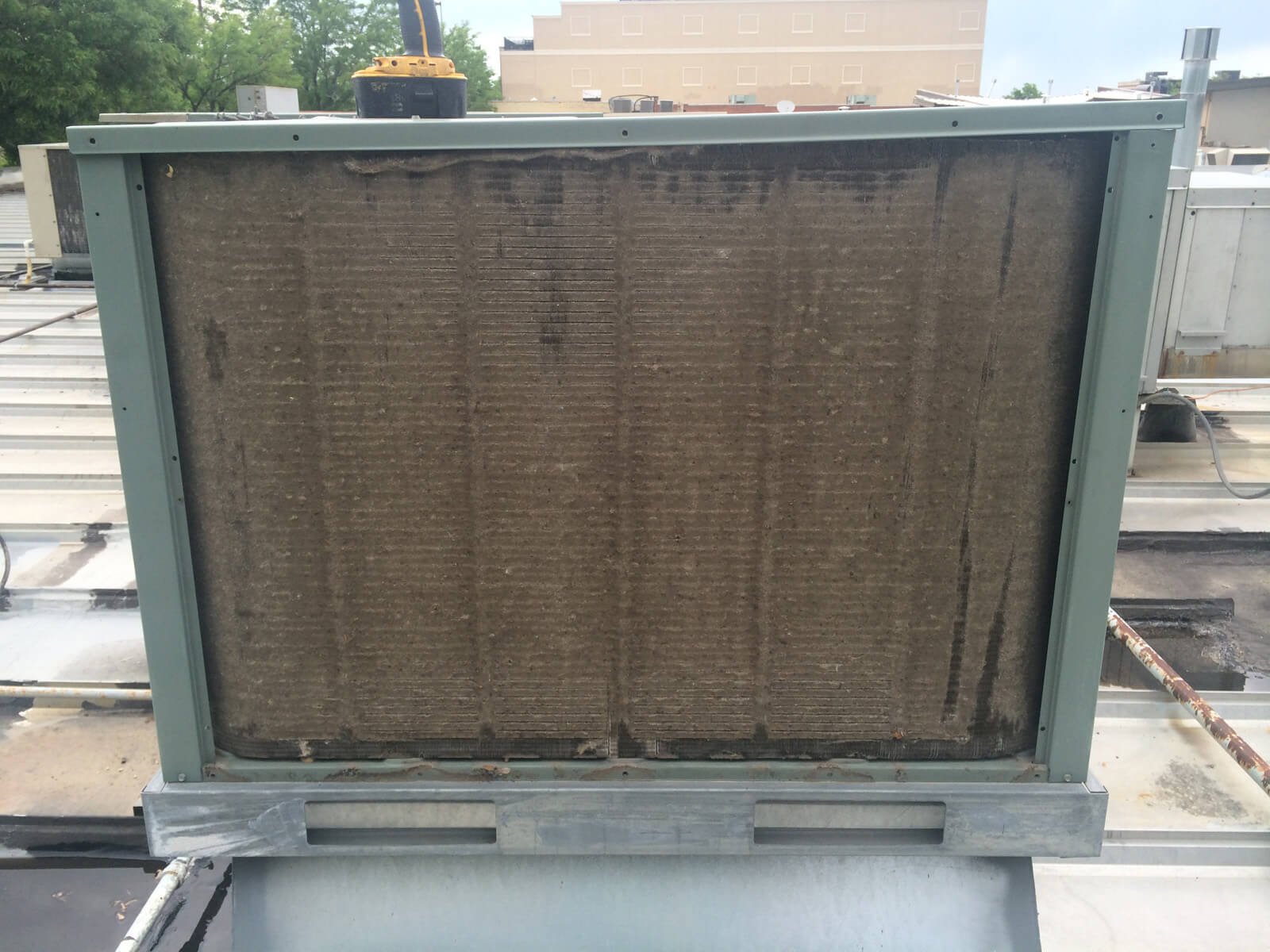
HVAC coils, which include the evaporator and condenser coils, play a pivotal role in the heat exchange process. When these coils become dirty, several issues can arise:
- Reduced Efficiency: Dirt and debris act as an insulating layer, hindering the coils’ ability to transfer heat effectively. This forces the HVAC system to work harder, consuming more energy.
- Decreased Air Quality: Accumulated dirt can harbor mold and bacteria, which can be circulated throughout the building, compromising indoor air quality.
- Increased Wear and Tear: The additional strain on the system can lead to more frequent breakdowns and a shorter lifespan, resulting in higher maintenance costs.
- Higher Utility Bills: An inefficient HVAC system consumes more energy, leading to increased utility bills.
Methods of HVAC Coil Cleaning
HVAC coil cleaning can be performed using various methods, depending on the type of dirt and debris accumulated and the accessibility of the coils. Here are some common cleaning techniques:
Professional Services
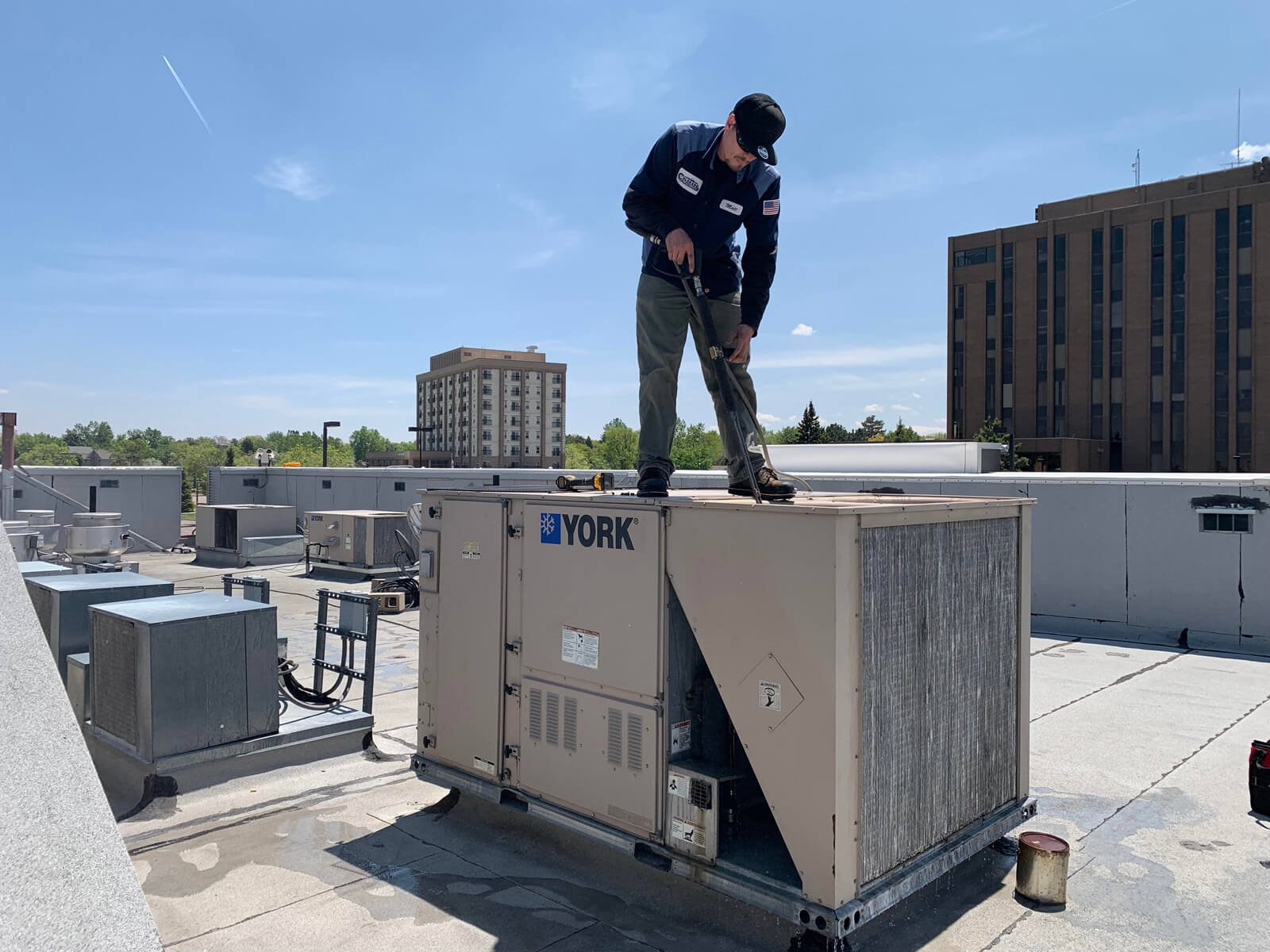
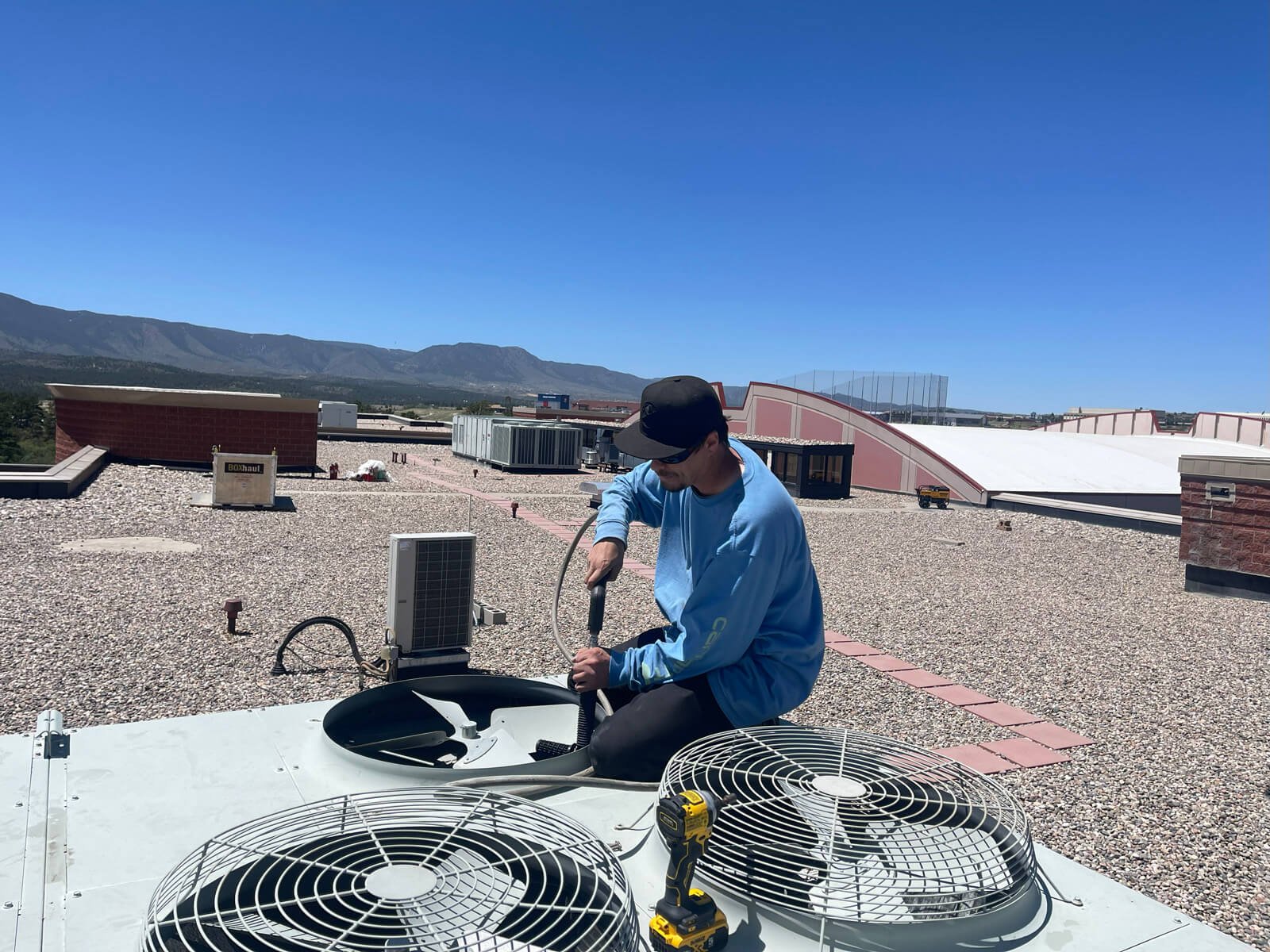
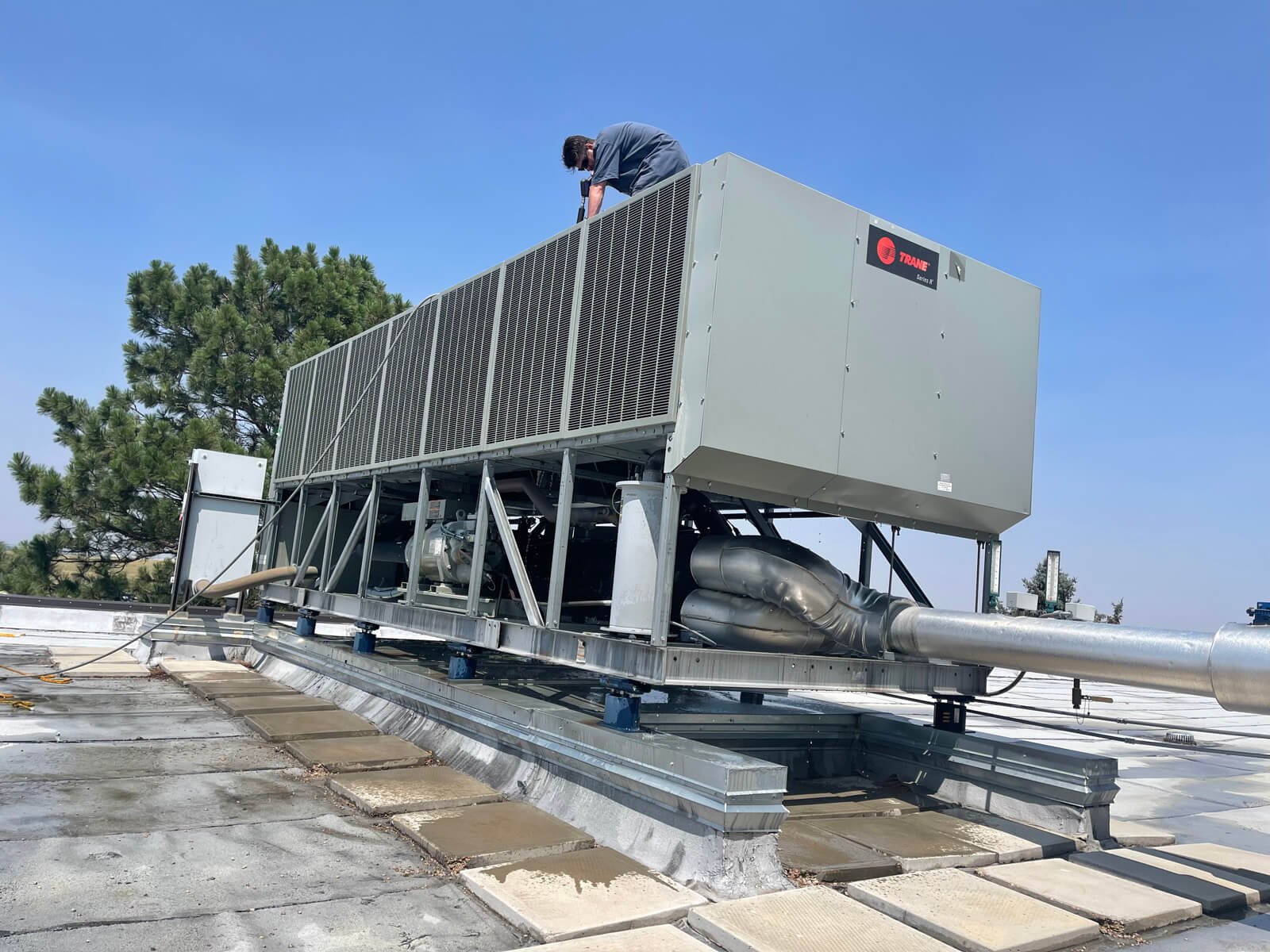
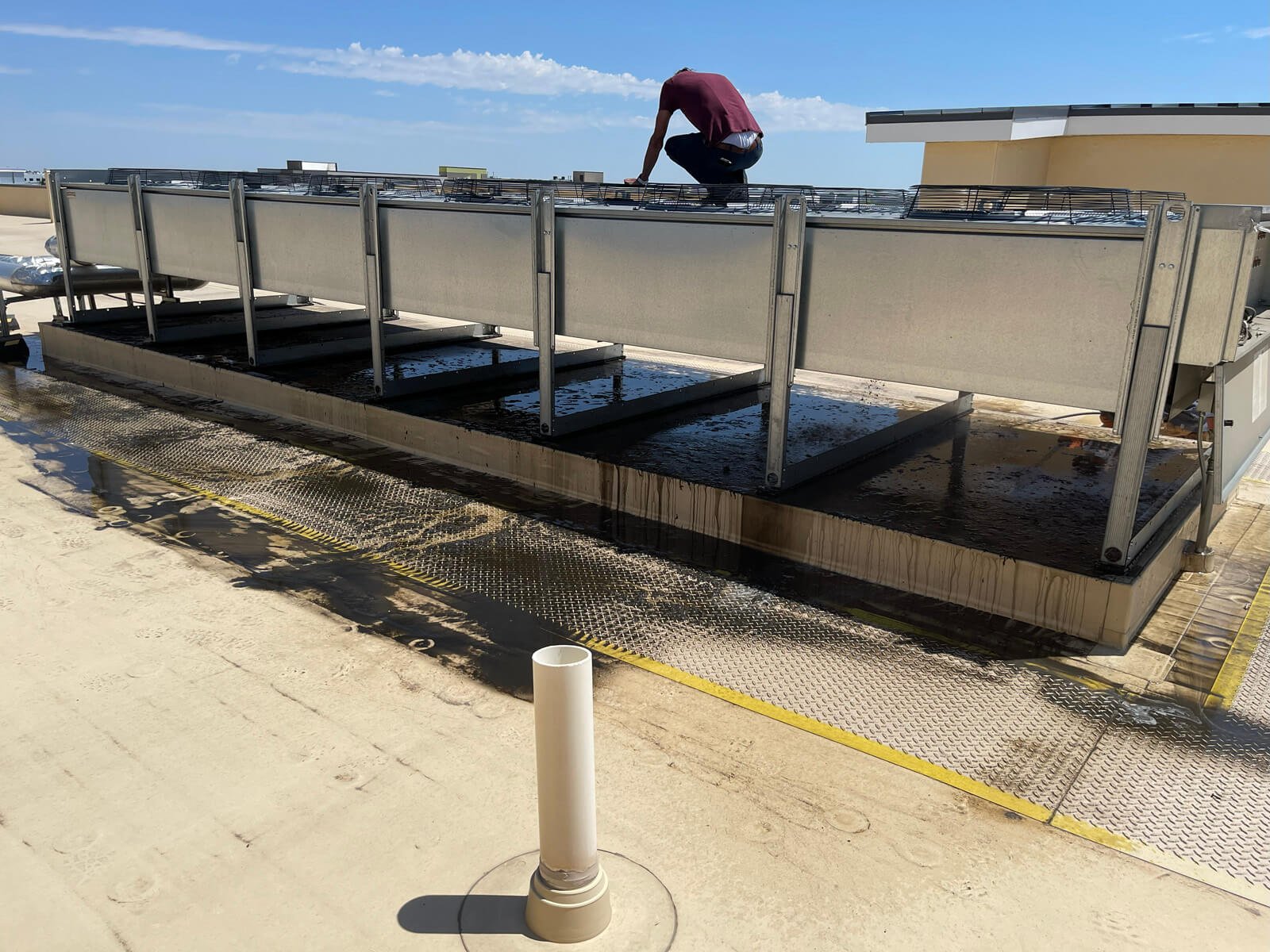
For heavily soiled coils or periodic deep cleaning, hiring professional HVAC cleaning services is recommended. Professionals have the expertise, equipment, and cleaning agents needed to thoroughly clean and maintain HVAC coils.
Benefits of Regular HVAC Coil Cleaning
Regular cleaning of HVAC coils offers several benefits that contribute to the overall performance and longevity of the HVAC system:
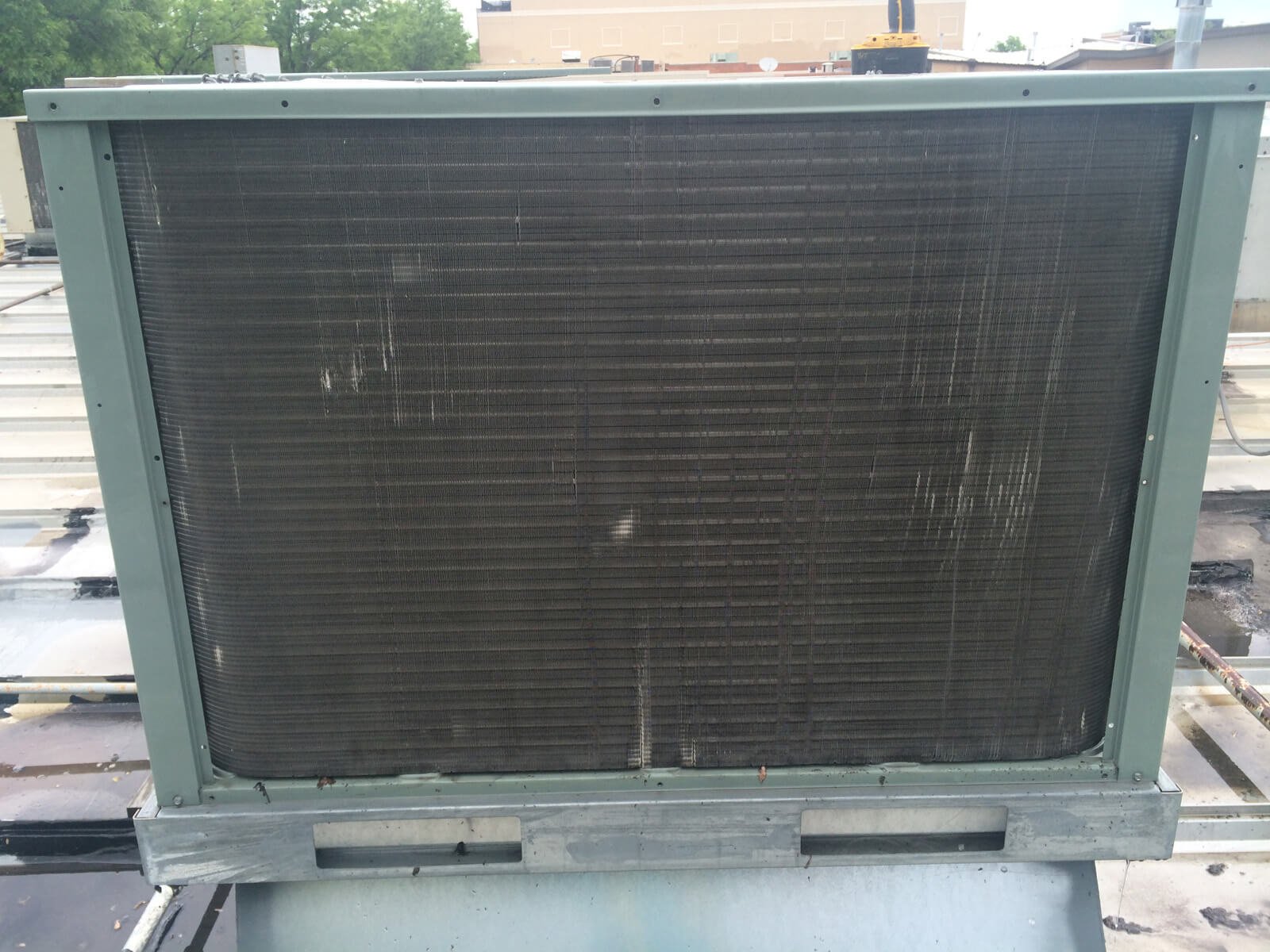
- Improved Efficiency: Clean coils facilitate optimal heat transfer, reducing the workload on the system and improving energy efficiency.
- Enhanced Air Quality: Removing dirt and contaminants from the coils helps maintain better indoor air quality, promoting healthier living and working environments.
- Extended Lifespan: Reducing strain on the system by maintaining clean coils can extend the lifespan of the HVAC system, reducing the need for costly repairs and replacements.
- Cost Savings: Improved efficiency leads to lower energy consumption and utility bills, resulting in significant cost savings over time.
- Compliance: Regular coil cleaning helps ensure that the HVAC system complies with health and safety regulations, avoiding potential fines and penalties.
Steps to Clean HVAC Coils
Cleaning HVAC coils involves several steps to ensure thorough and effective results:
Step 1: Turn Off the HVAC System
Before cleaning the coils, turn off the HVAC system to ensure safety and prevent damage to the components.
Step 2: Access the Coils
Remove panels or covers to access the coils. Depending on the type of HVAC system, this may involve unscrewing or unclipping parts to reach the coils.
Step 3: Inspect the Coils
Inspect the coils to determine the level of dirt and debris buildup. This will help in choosing the appropriate cleaning method.
Step 4: Remove Surface Debris
Use a brush or cloth to remove loose dirt and debris from the surface of the coils.
Step 5: Rinse and Dry
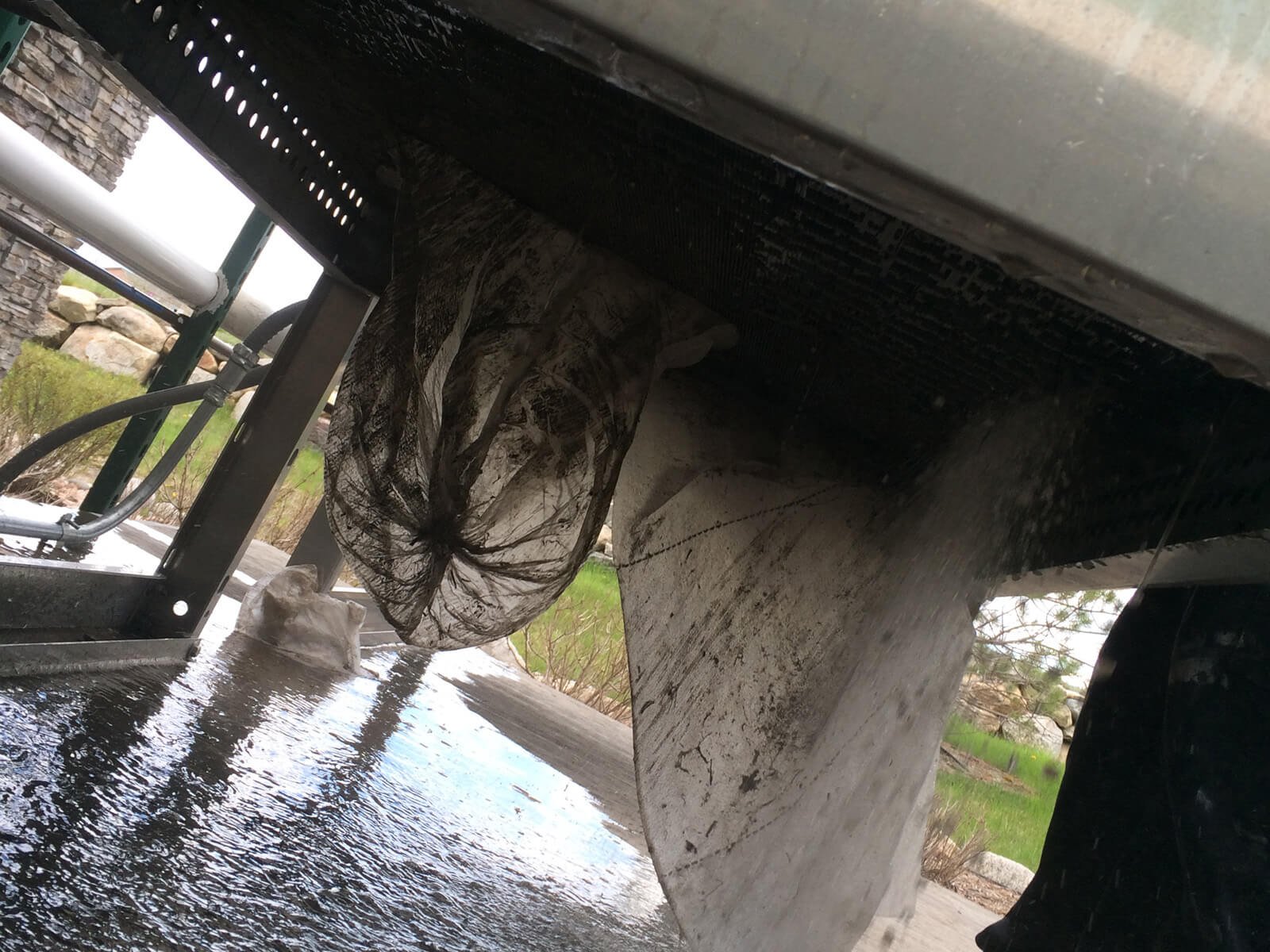
Rinse the coils with water to remove the dislodged dirt. Ensure the coils are thoroughly dried before reassembling the system.
Step 6: Reassemble and Test
Reassemble the HVAC system and turn it back on. Monitor its performance to ensure effective cleaning and restored efficiency.
Conclusion
HVAC coil cleaning is a crucial maintenance task that should be performed regularly to ensure optimal system performance, efficiency, and air quality. By understanding the importance of clean coils and adopting appropriate cleaning methods, building owners and managers can extend the life of their HVAC systems, reduce energy costs, and promote healthier indoor environments.