
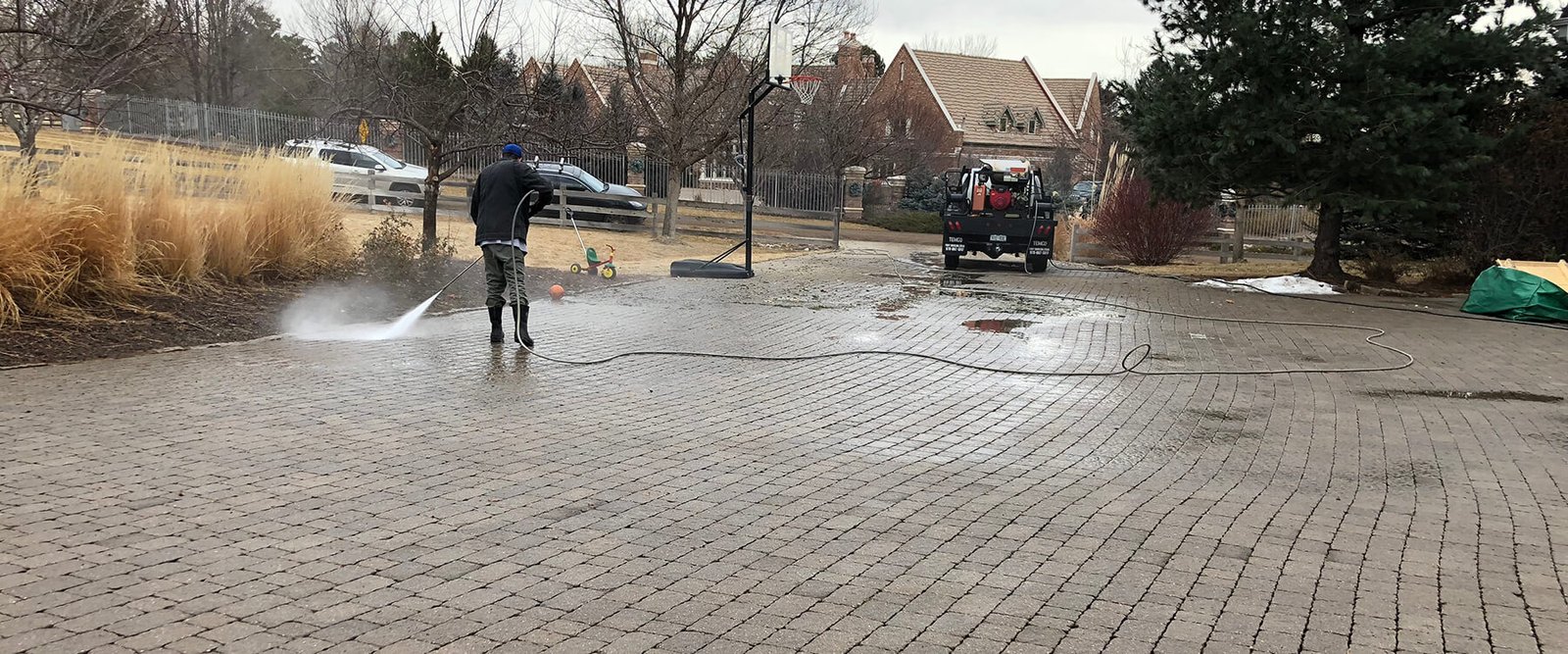
Colorado Paver Cleaning Service
Keeping Your Outdoor Spaces Pristine
Pavers are a popular choice for outdoor spaces such as patios, walkways, and driveways due to their durability, aesthetic appeal, and versatility. However, to maintain their beauty and longevity, regular cleaning and maintenance are essential. This guide will walk you through the steps of paver cleaning and provide tips to keep your pavers looking their best.
Understanding Paver Types
Before diving into the cleaning process, it’s important to understand the different types of pavers and their specific maintenance needs. Common paver materials include concrete, brick, and natural stone. Each material has unique characteristics that may affect how you approach cleaning.
Concrete Pavers
Concrete pavers are one of the most popular choices due to their affordability and variety of shapes and colors. They are relatively easy to clean and maintain.
Brick Pavers
Brick pavers offer a classic, timeless look and are known for their durability. However, they can be more porous than concrete pavers and may require more frequent cleaning.
Natural Stone Pavers
Natural stone pavers, such as granite, limestone, and travertine, provide a luxurious and elegant appearance. These pavers require special care to avoid damage, as they can be more sensitive to harsh chemicals.
Essential Tools and Materials
To effectively clean your pavers, you’ll need the right tools and materials. Here is a list of essentials:
- Broom or leaf blower
- Garden hose with a spray nozzle
- Power washer (optional)
- Bucket
- Soft-bristle brush or push broom
- Mild detergent or paver-specific cleaner
- Sand (for re-sanding joints)
- Sealant (if desired)
Step-by-Step Paver Cleaning Process
Follow these steps to ensure your pavers are thoroughly cleaned and well-maintained:
1. Remove Debris
Begin by removing any loose debris, such as leaves, dirt, and twigs, from the surface of the pavers. Use a broom or leaf blower to clear the area.
2. Pre-Wet the Pavers
Lightly spray the pavers with water using a garden hose. This helps to loosen dirt and prevents the cleaning solution from being absorbed too quickly.
3. Apply Cleaning Solution
Mix a mild detergent or paver-specific cleaner with water in a bucket, following the manufacturer’s instructions. Apply the cleaning solution to the pavers using a soft-bristle brush or push broom. Work in small sections to ensure even coverage.
4. Scrub the Pavers
Use the brush or push broom to scrub the pavers, paying extra attention to stained or heavily soiled areas. For stubborn stains, you may need to use a stronger cleaner or repeat the scrubbing process.
5. Rinse Thoroughly
After scrubbing, rinse the pavers thoroughly with a garden hose or power washer. Make sure all cleaning solution and dirt are washed away. If using a power washer, keep the pressure at a safe level to avoid damaging the pavers.
6. Re-Sand Joints
Once the pavers are clean and dry, inspect the joints between the pavers. If the sand has washed away or settled, re-sand the joints with polymeric sand. Sweep the sand into the joints and remove any excess from the surface.
7. Seal the Pavers
Sealing the pavers can help protect them from stains, weeds, and weather damage. Apply a paver sealant according to the manufacturer’s instructions. Allow the sealant to dry completely before using the area.
Tips for Maintaining Clean Pavers
- Regularly sweep or blow away debris to prevent dirt buildup.
- Spot clean stains as soon as they occur to prevent them from setting in.
- Avoid using harsh chemicals or wire brushes that can damage the paver surface.
- Periodically inspect the joints and re-sand as needed to maintain stability.
- Consider sealing your pavers every few years for added protection.
Dealing with Common Paver Issues
Even with regular maintenance, you may encounter some common issues with your pavers. Here’s how to address them:
Weeds and Moss
Weeds and moss can grow between paver joints, especially in damp or shaded areas. To prevent this, use a weed killer or a mixture of vinegar and water. For moss, scrub the affected areas with a solution of water and bleach, then rinse thoroughly.
Efflorescence
Efflorescence is a white, powdery residue that can appear on the surface of pavers due to water-soluble salts. While it’s not harmful, it can be unsightly. Remove efflorescence by scrubbing with a mixture of water and white vinegar, followed by rinsing.
Stains
Oil, grease, and other stains can be removed using a paver-specific cleaner or a mixture of dish soap and water. For tough stains, consider using a poultice made of baking soda and water, applied to the stain and left to dry before scrubbing and rinsing.
Settling and Shifting
Over time, pavers may settle or shift due to ground movement or heavy use. To fix this, lift the affected pavers, add or adjust the base material, and replace the pavers, ensuring they are level and stable.
Conclusion
Regular cleaning and maintenance are essential to preserving the beauty and functionality of your pavers. By following the steps outlined in this guide and addressing common issues promptly, you can ensure your outdoor spaces remain pristine and enjoyable for years to come.