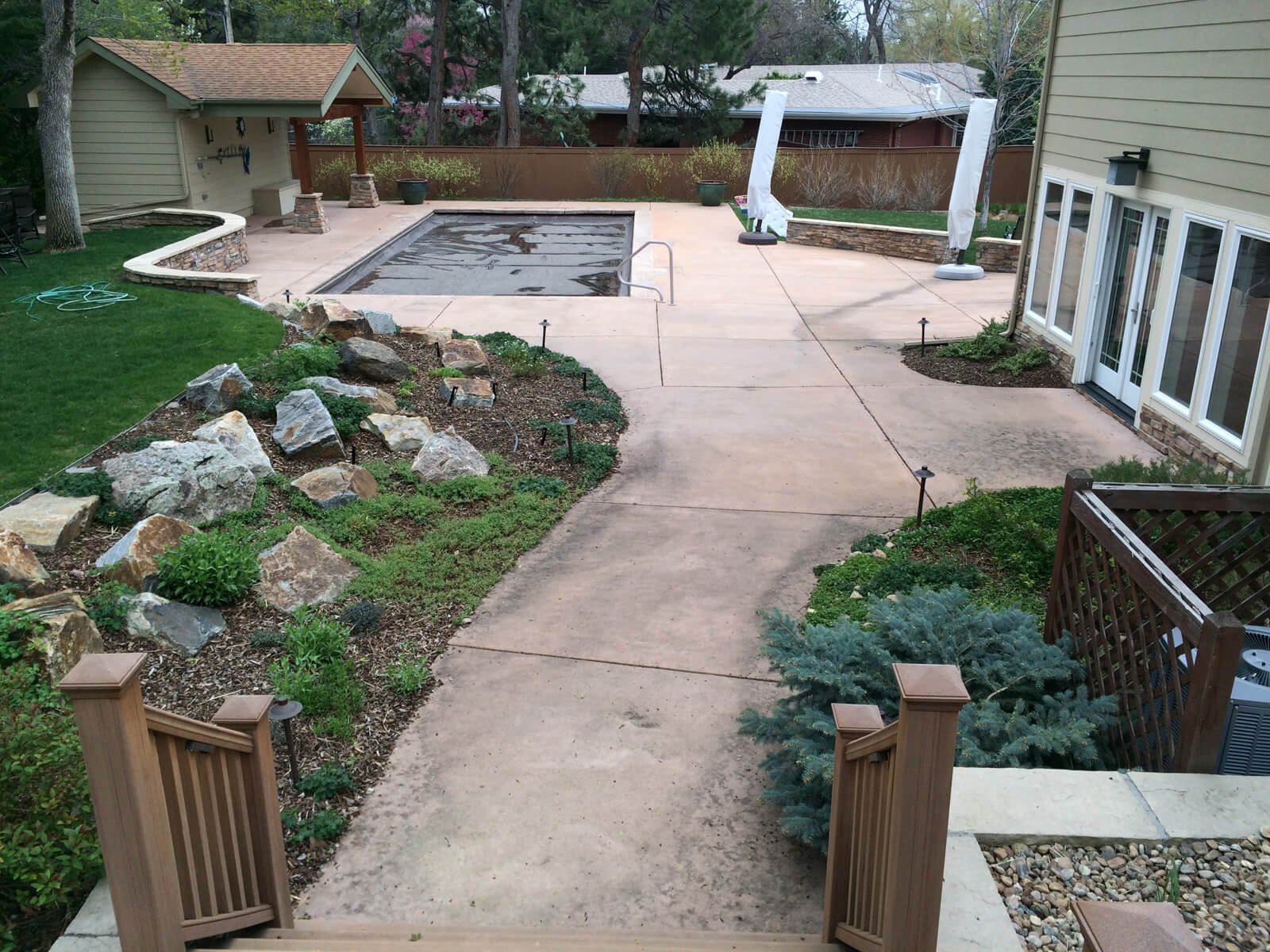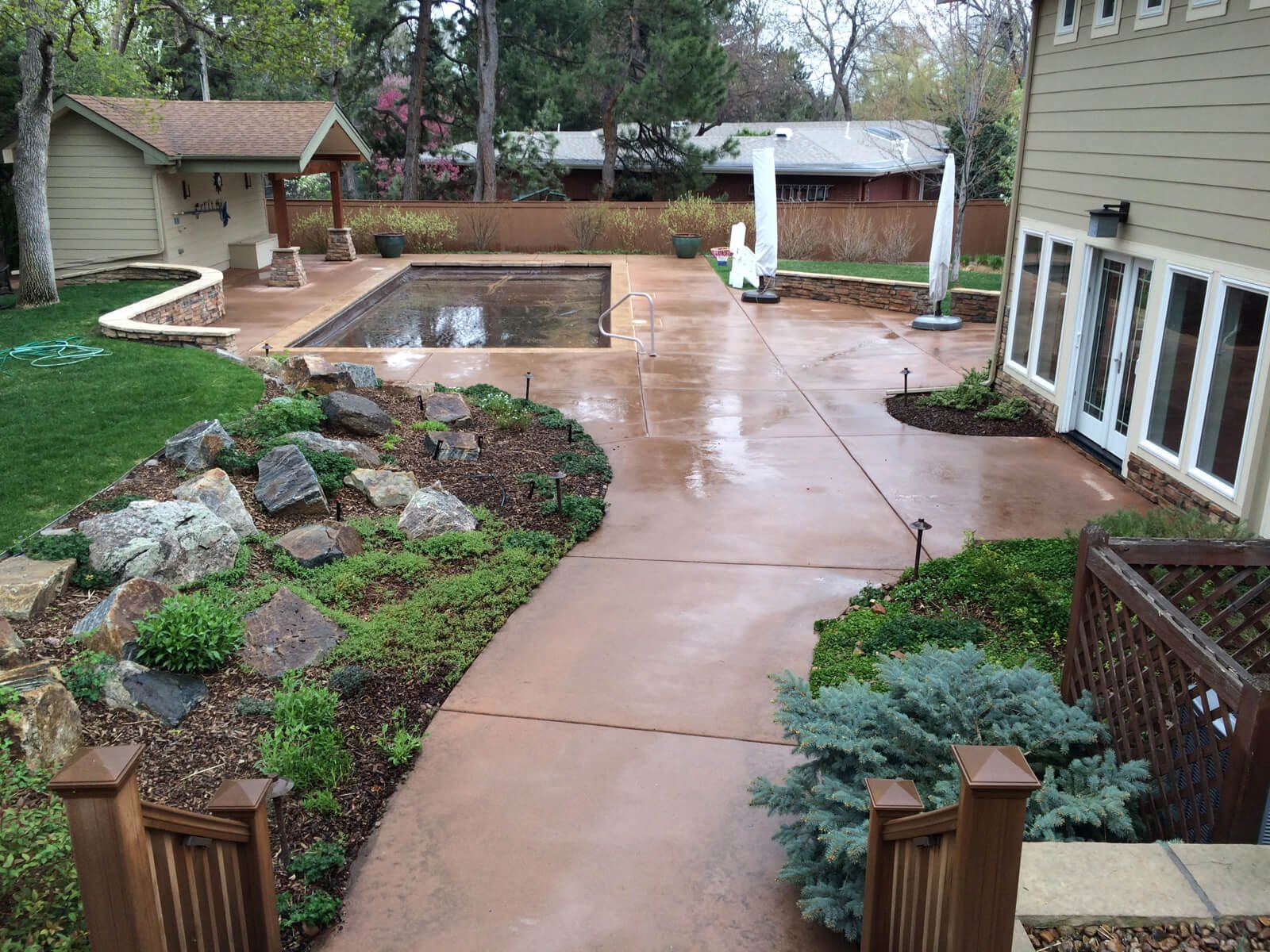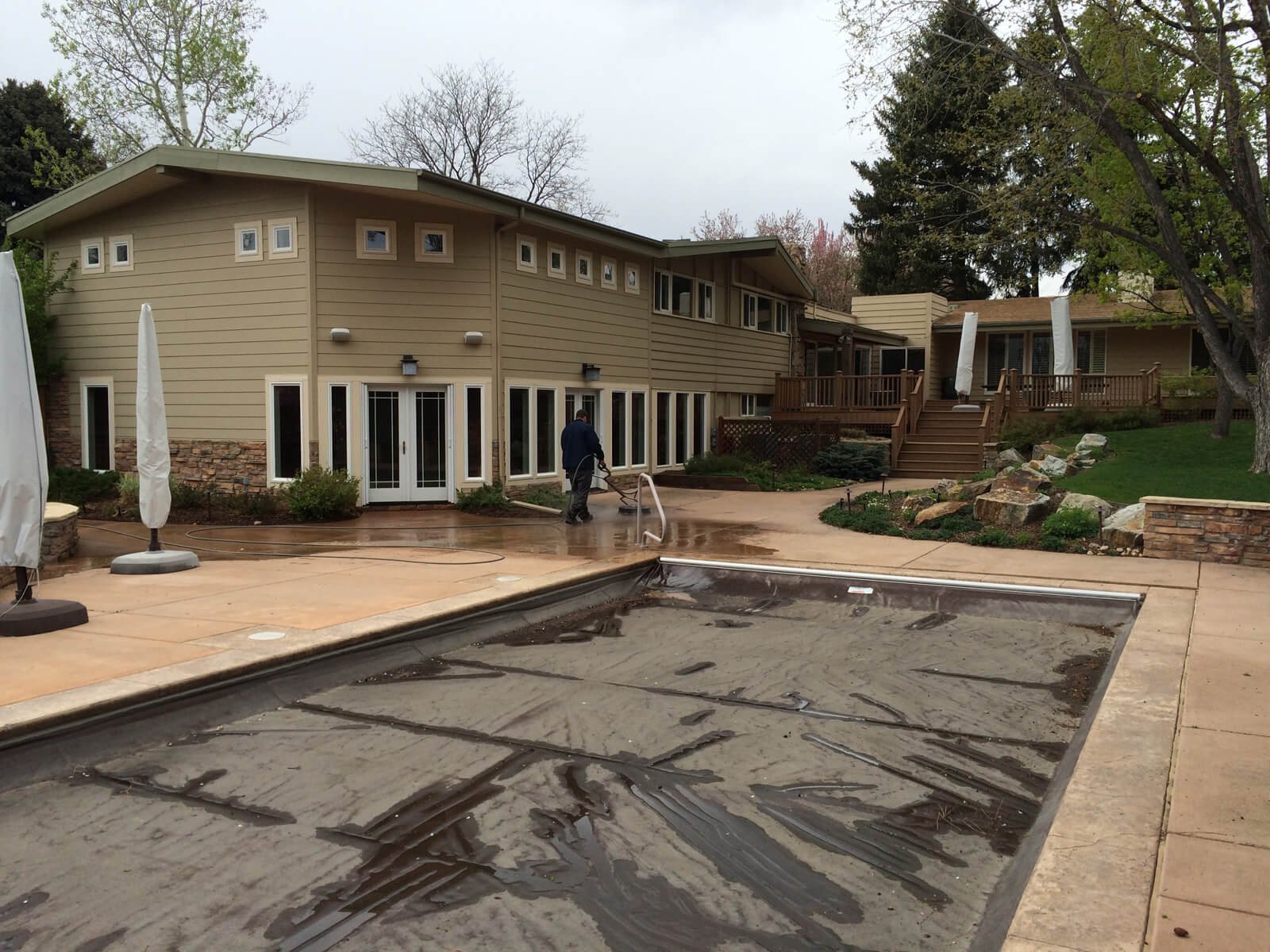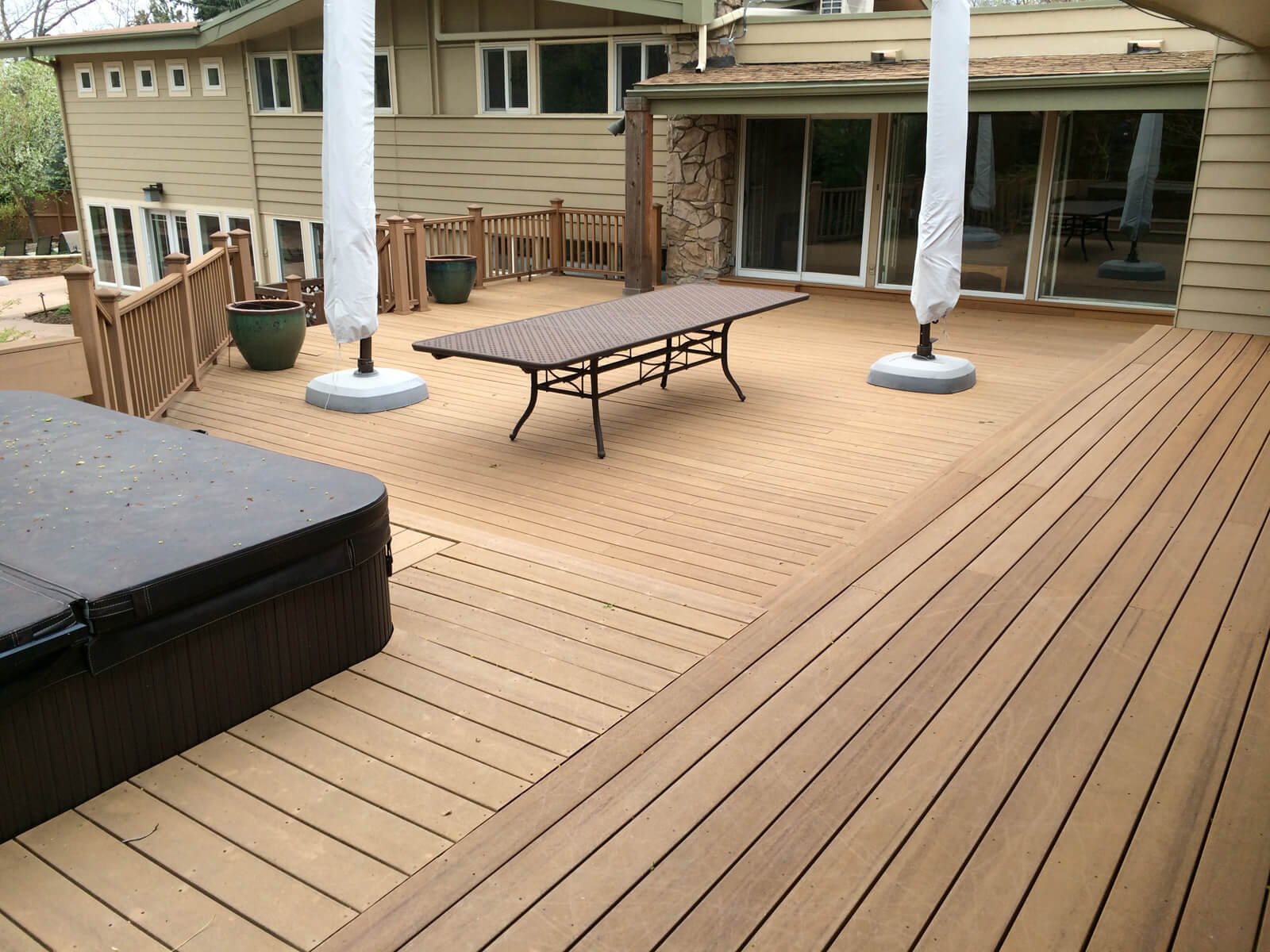
Colorado Residential Pressure Washing Services
Restoring the Beauty and Safety of Your Home’s Outdoor Spaces
Pressure washing is a powerful and effective method for maintaining the cleanliness, appearance, and safety of residential outdoor spaces. Over time, driveways, sidewalks, patios, and decks can accumulate dirt, grime, mold, mildew, algae, oil stains, and other unsightly contaminants. These elements not only detract from your property’s curb appeal but can also create slippery surfaces, posing health and safety risks. This comprehensive guide will explore the process, benefits, and considerations of residential pressure washing, focusing on driveways, sidewalks, rear patios, and decks.
What Is Pressure Washing?
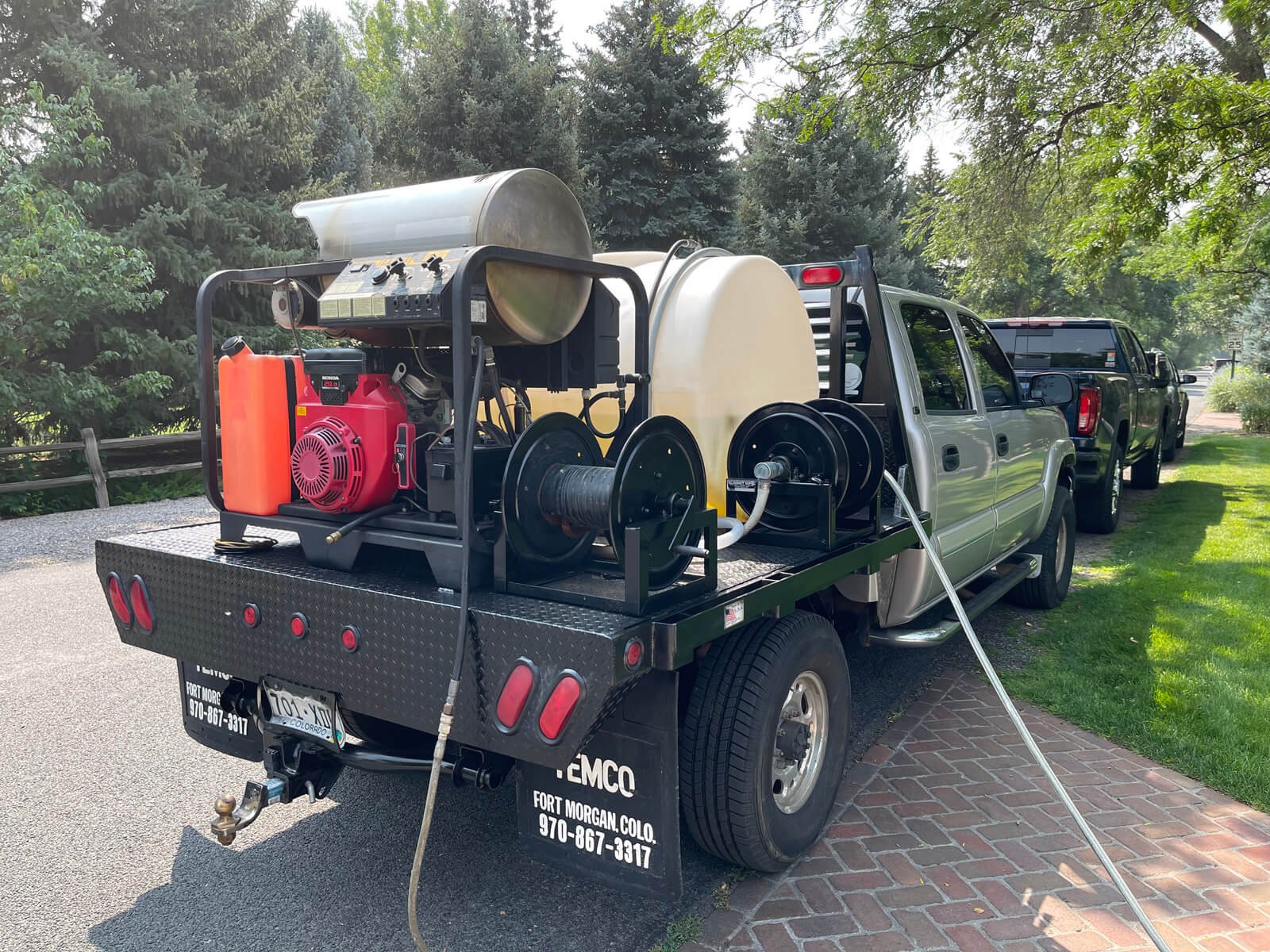
Pressure washing utilizes a high-powered stream of water to remove stubborn dirt, stains, and growths from various surfaces. The equipment features a motorized pump that pressurizes water, which is then expelled through a special nozzle at high velocity. This forceful stream can clean surfaces much more thoroughly than scrubbing by hand or using a garden hose. Pressure washers come in electric and gas-powered varieties, with a range of pressure outputs measured in pounds per square inch (PSI).
Importance of Pressure Washing Residential Spaces
- Improving Curb Appeal: Clean exterior surfaces make a property look well-maintained and inviting, increasing its value and attractiveness.
- Preventing Damage: Mold, algae, lichen, and moss can eat into concrete and wooden surfaces, causing long-term damage if not removed regularly.
- Ensuring Safety: Slippery stains and biological growth can lead to slip-and-fall accidents, especially during rainy or humid weather.
- Health Benefits: Eliminating mold and mildew reduces allergens and improves the air quality around your home.
- Protecting Investments: Regular cleaning extends the lifespan of your outdoor features, saving money on repairs and replacements.
Driveway Pressure Washing
Common Issues Affecting Driveways
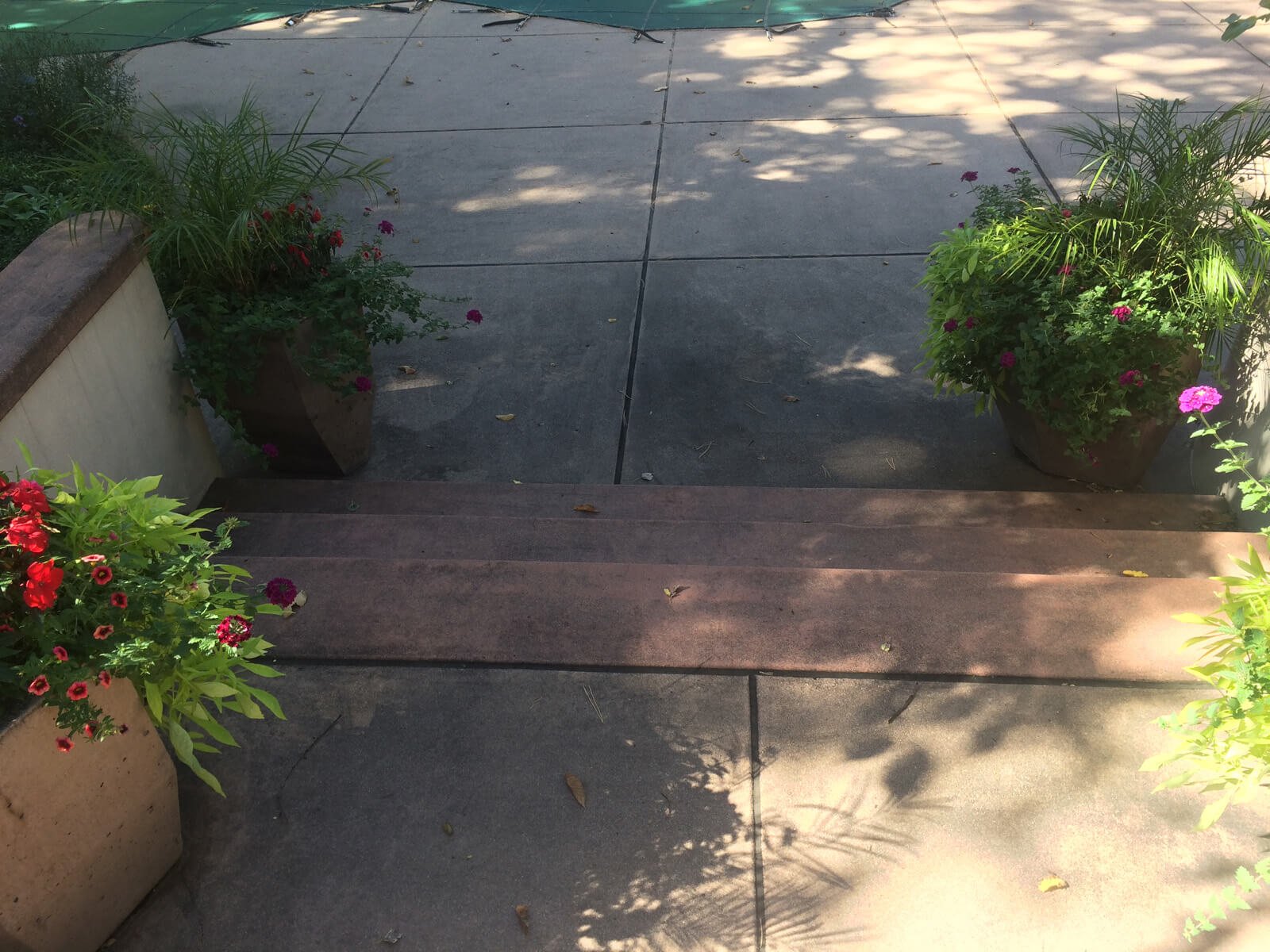
Driveways are exposed to vehicle traffic, weather, and environmental pollutants. Oil leaks, tire marks, rust, and organic debris can stain the surface and cause deterioration. Concrete and asphalt driveways are also susceptible to weed growth in cracks.
Benefits of Pressure Washing Driveways
- Removes stubborn stains, including oil and rust
- Prevents weed and moss growth
- Restores original color and texture
- Enhances driveway longevity
Process Overview
Professional pressure washing begins with a visual inspection to identify problem areas and choose suitable cleaning agents. Pretreatment with detergents can break down tough stains. The pressure washer is then used with appropriate PSI and nozzle settings to safely clean without damaging the surface. In cases of deep cracks or fragile surfaces, a lower pressure or different cleaning method may be advisable.
Sidewalk Pressure Washing
Challenges with Sidewalks
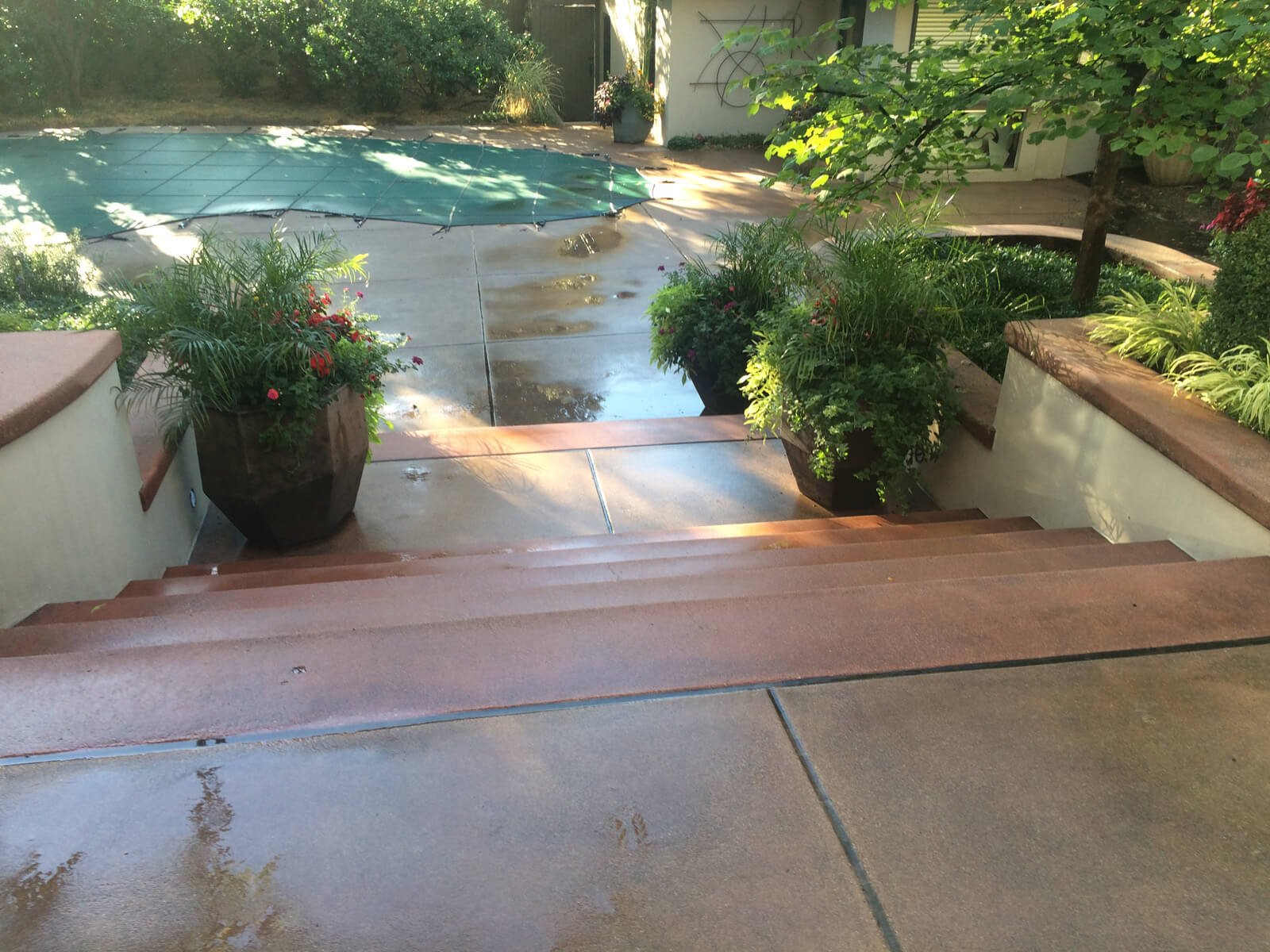
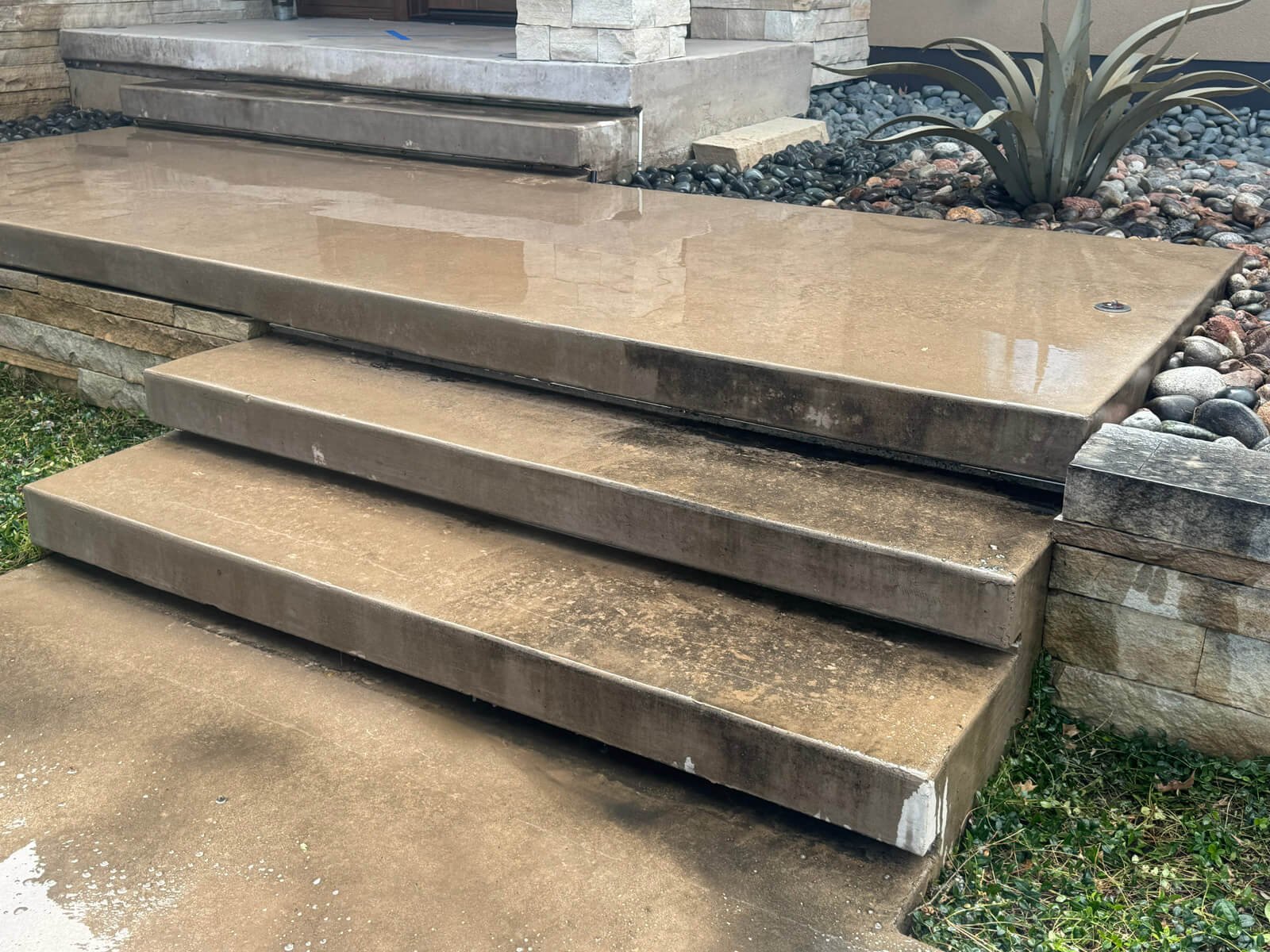
Sidewalks see foot traffic, exposure to the elements, and often accumulate gum, mud, algae, and litter. Over time, they can become slippery and stained.
Advantages of Cleaning Sidewalks
- Increases safety for pedestrians by removing slick substances
- Prevents the spread of moss and algae
- Improves neighborhood appearance
- Complies with local maintenance ordinances
Best Practices
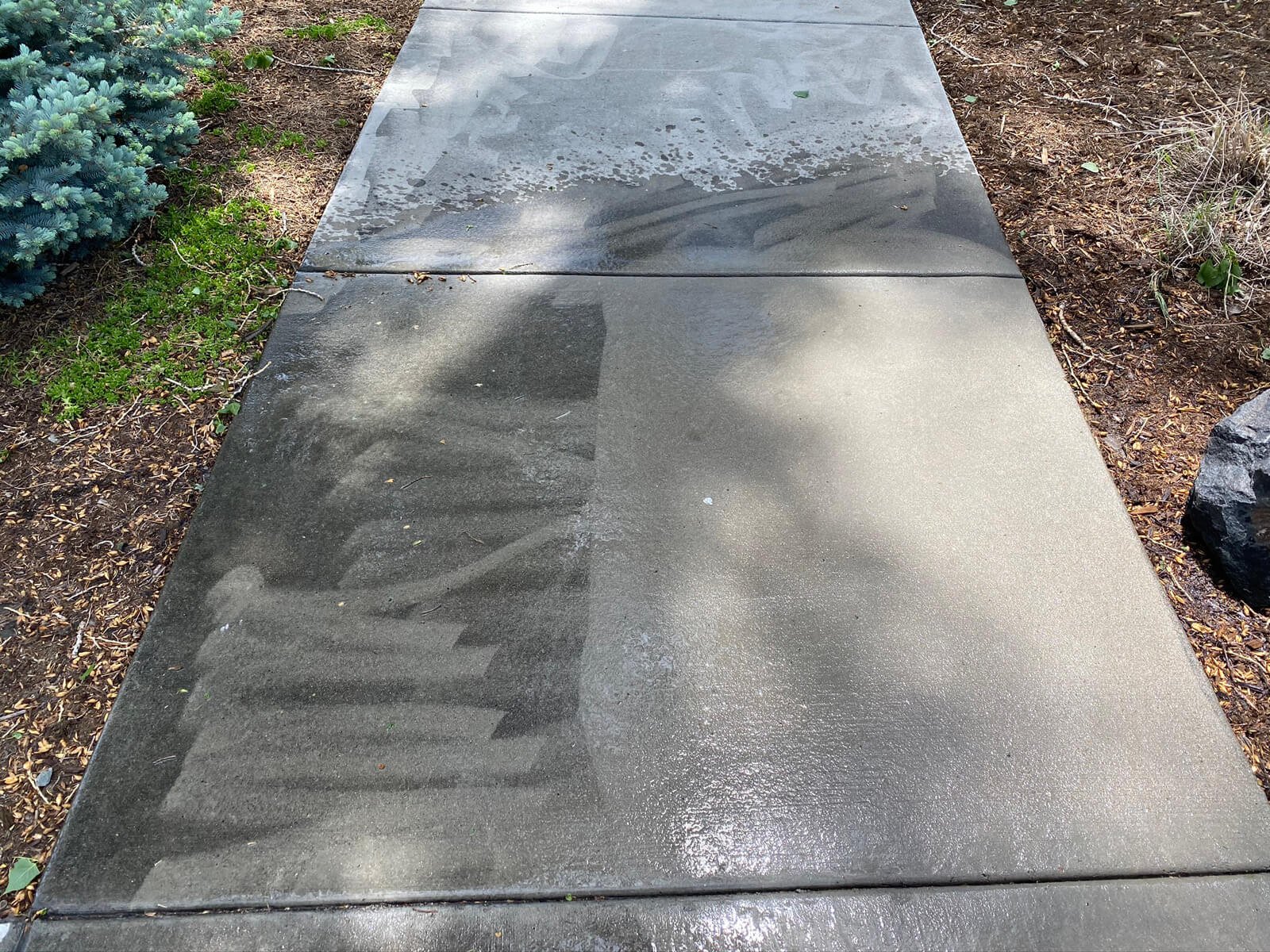
Professionals often use surface cleaners (special attachments) for sidewalks, ensuring even pressure and avoiding streaks. Eco-friendly detergents are used to protect landscaping and pets. Edges and joints are given special attention to prevent weed regrowth.
Rear Patio Pressure Washing
Types of Patio Surfaces
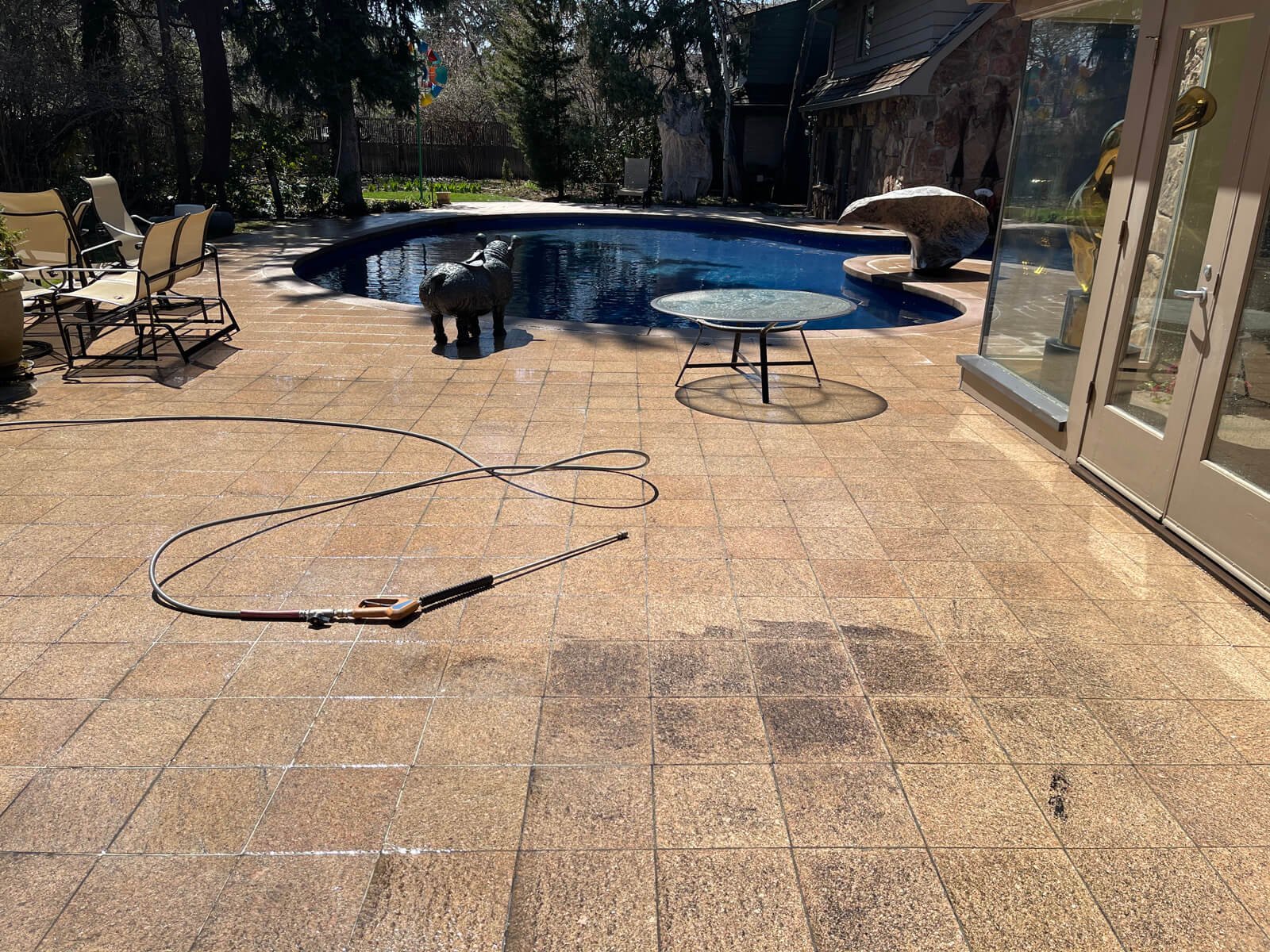
Patios may be constructed of concrete, stone, tile, brick, or pavers. Each material requires a tailored approach to avoid surface damage.
Why Pressure Wash Your Patio?
- Removes mold, mildew, pollen, and stains from food or drink spills
- Prepares surface for sealing or resealing
- Creates a clean environment for outdoor dining and entertaining
- Restores the natural beauty of stone and tile
Cleaning Process
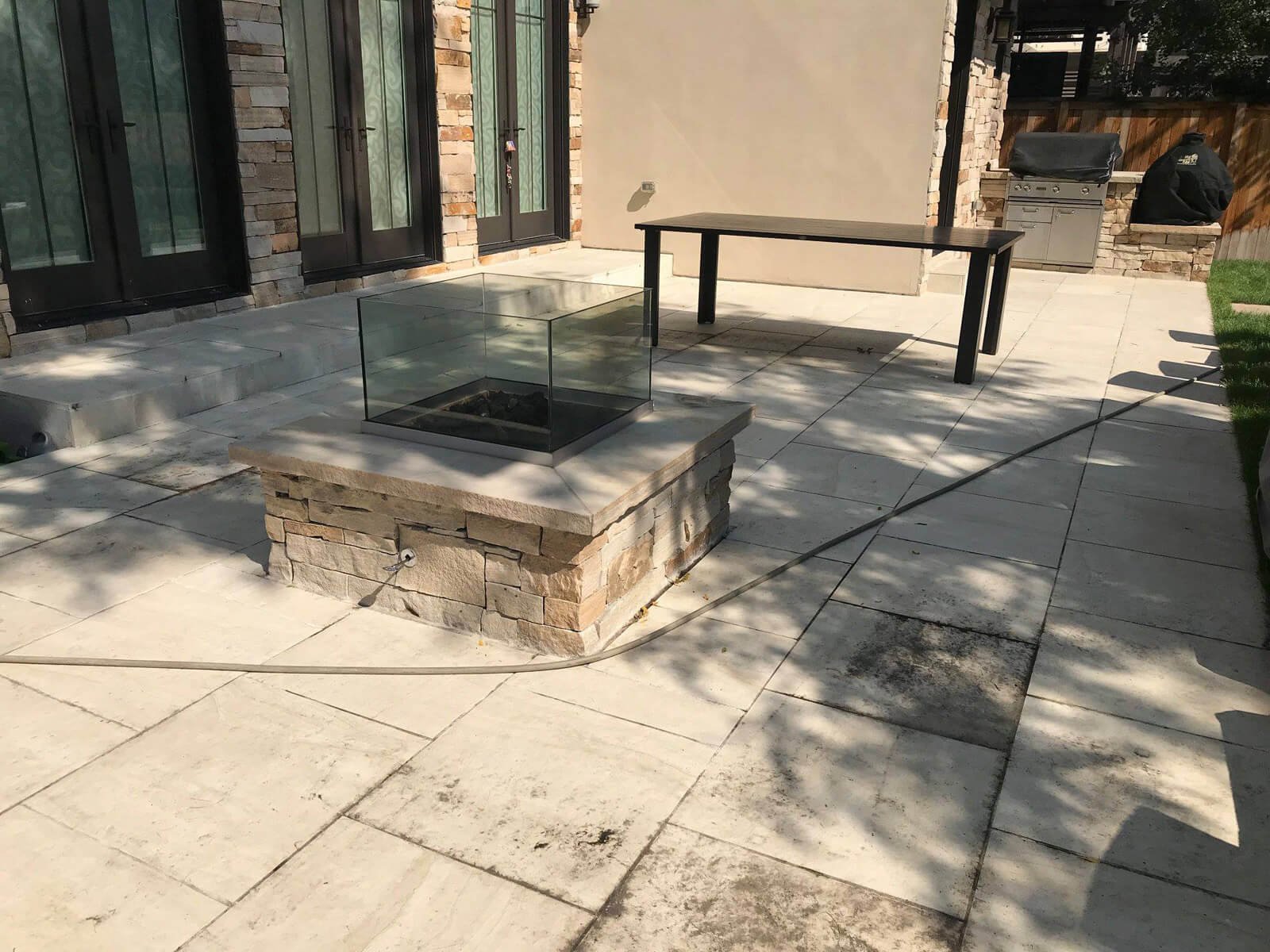
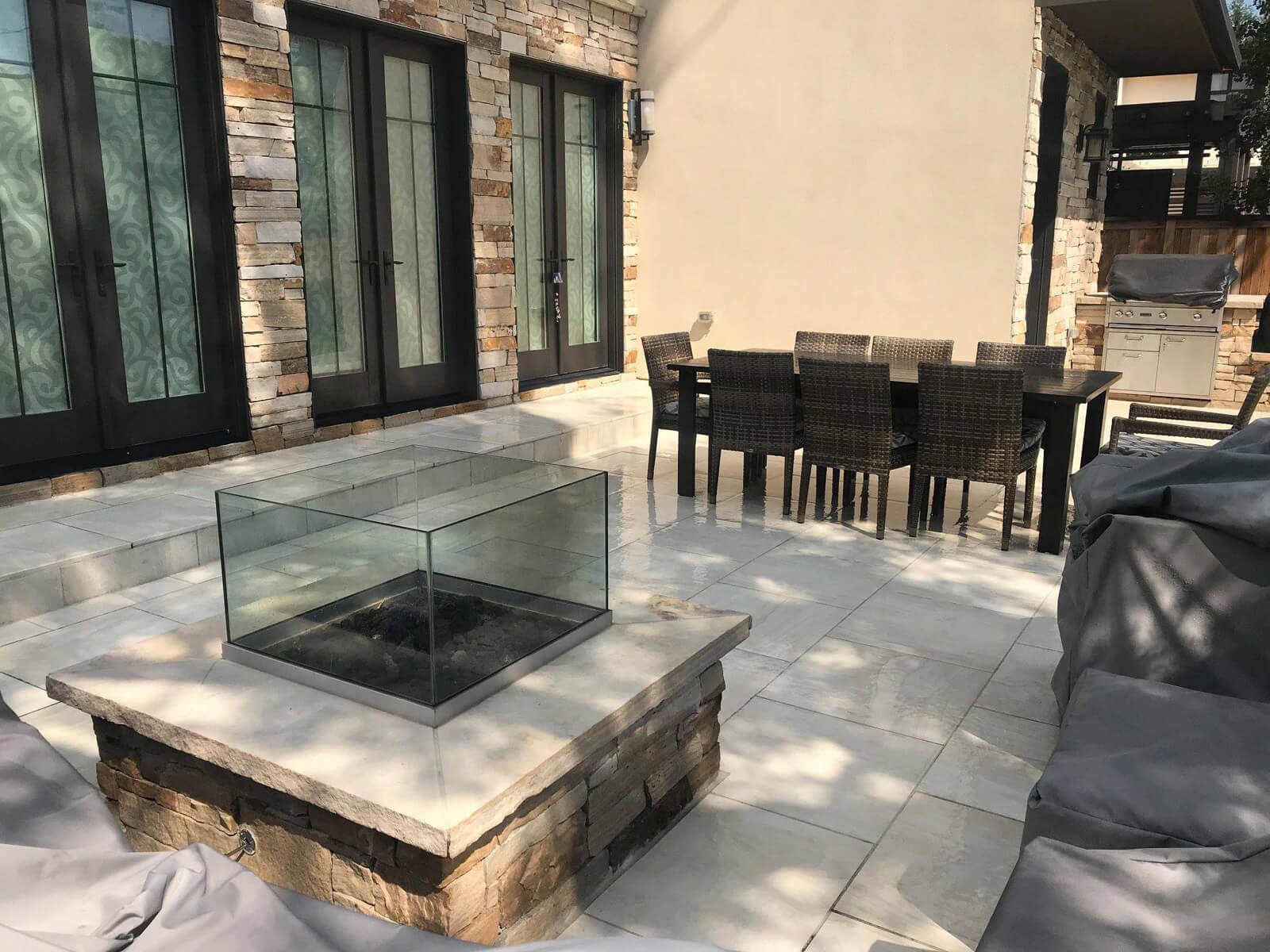
Loose debris is swept or blown away before washing. Detergents suited to the patio’s material are applied to break down organic stains. The pressure washer is used at a setting appropriate for the surface, and care is taken with grout lines and joints. For patios with delicate tile or mortar, lower pressure and soft brushes may be used.
Deck Pressure Washing
Deck Materials and Their Needs
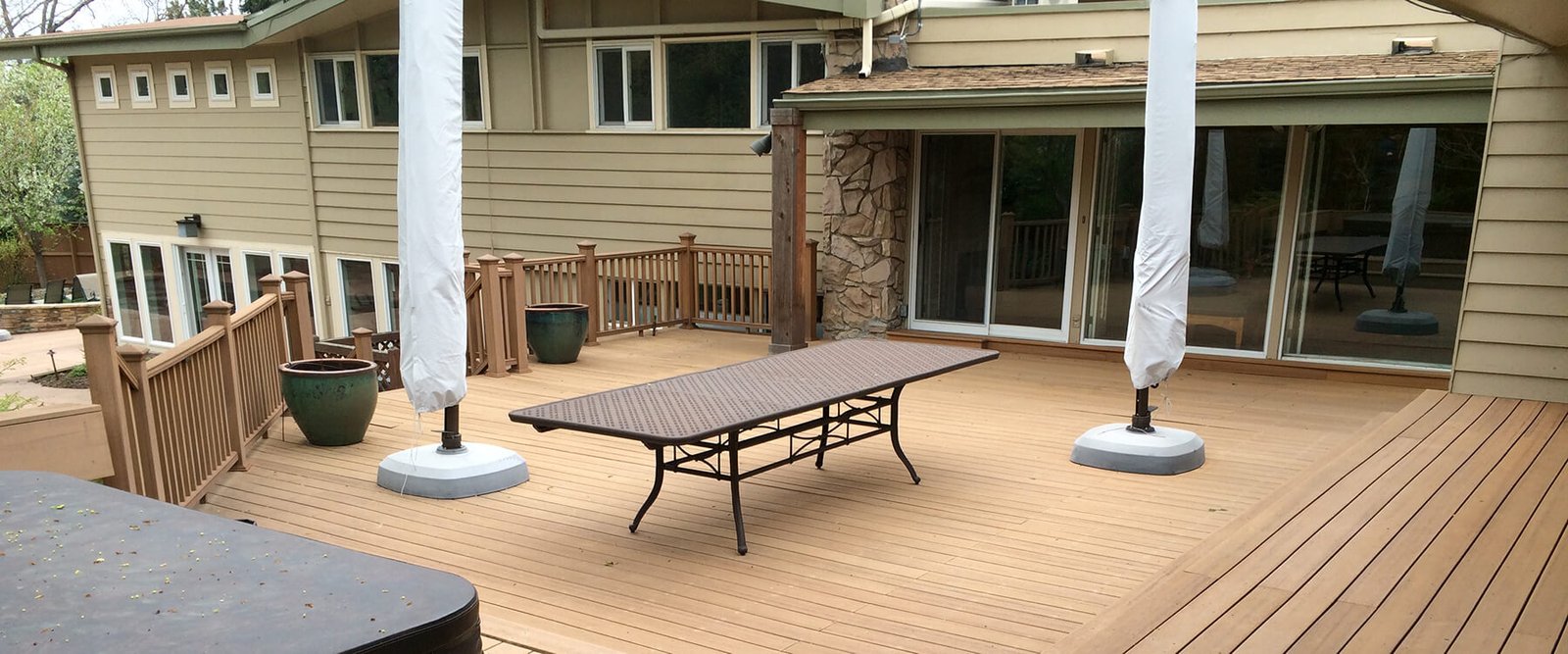
Decks are typically made of wood, composite, or vinyl. Wood decks are particularly vulnerable to moisture, rot, and fungal growth. Composite and vinyl decks, while durable, can still accumulate grime.
Why Pressure Wash a Deck?
- Removes algae and mildew, preventing wood rot
- Prepares surface for staining, painting, or sealing
- Restores appearance by removing graying or discoloration
- Extends lifespan of decking materials
Deck Cleaning Considerations
Wood decks require lower pressure and specific nozzles to avoid etching and splintering. Specialized wood cleaners or brighteners may be used. After washing, the deck should be allowed to dry completely before any sealing or staining is done.
DIY vs. Professional Pressure Washing
Pros and Cons of DIY Pressure Washing
- Pros: Cost-effective for small areas, immediate results, flexible scheduling
- Cons: Risk of property damage from improper settings, lack of specialized detergents, time-consuming for large areas, safety hazards
Benefits of Hiring Professionals
- Expertise in handling various surfaces
- Professional-grade equipment and cleaning solutions
- Efficient and thorough cleaning
- Insurance and liability coverage
- Ability to identify and address potential issues before they worsen
Environmental Considerations
Pressure washing can use significant amounts of water and may dislodge pollutants. Responsible practices include:
- Using eco-friendly detergents
- Capturing runoff to prevent contamination of storm drains
- Minimizing water usage with efficient equipment
- Protecting adjacent landscaping and wildlife
Maintenance After Pressure Washing
Driveways and Sidewalks
Applying a sealant after cleaning can help repel future stains and reduce weed growth. Regular sweeping and prompt removal of spills keep surfaces looking fresh.
Patios and Decks
Periodic washing, removal of organic debris, and reapplication of stain or sealant (for wood decks) prolong the period between deep cleans.
Common Questions About Residential Pressure Washing
How often should I pressure wash?
Once or twice a year is ideal, depending on
environmental conditions and usage.
Is pressure washing safe for all surfaces?
With proper technique and equipment,
yes. Fragile or painted surfaces may require low-pressure or alternate methods.
Can pressure washing remove oil stains?
Specialized detergents and hot water
pressure washers are especially effective for oil and grease removal.
What if there are cracks or damage?
Professional cleaners can identify and avoid
worsening existing damage, recommending repairs when needed.
Are chemicals used in pressure washing safe?
Modern cleaning agents are designed
to be safe for people, pets, and plants, but always inform your provider of sensitivities before
treatment.
Conclusion
Residential pressure washing offers an efficient way to maintain driveways, sidewalks, rear patios, and decks, enhancing curb appeal, safety, and longevity. Whether you choose to do it yourself or hire professionals, regular cleaning is essential to preserve the beauty and function of your home’s exterior. By understanding the specific techniques and requirements for each surface—and by committing to ongoing maintenance—you can ensure your outdoor spaces remain inviting, durable, and safe for years to come.