Truck Pressure Washing Service
Maintaining Cleanliness and Efficiency
Maintaining a clean truck is essential not only for aesthetic purposes but also for operational efficiency. Truck pressure washing is a powerful method to ensure that your vehicle remains in top condition, free from dirt, grime, and other contaminants. Pressure washing uses high-pressure water spray to remove loose paint, mold, grime, dust, mud, and dirt from surfaces and objects such as buildings, vehicles, and concrete surfaces. This guide will take you through the benefits, methods, and best practices for truck pressure washing.
Benefits of Truck Pressure Washing
Enhanced Appearance
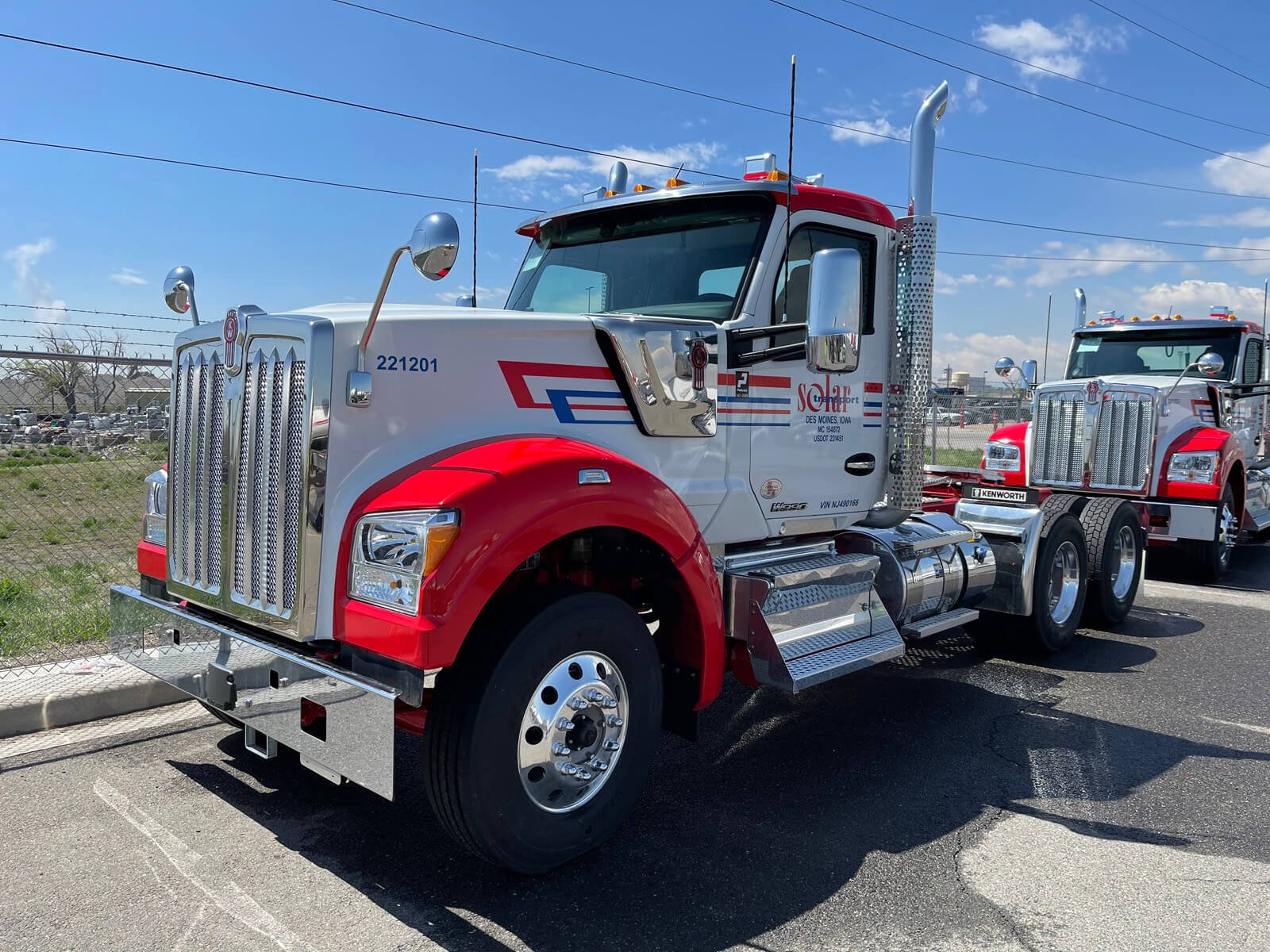
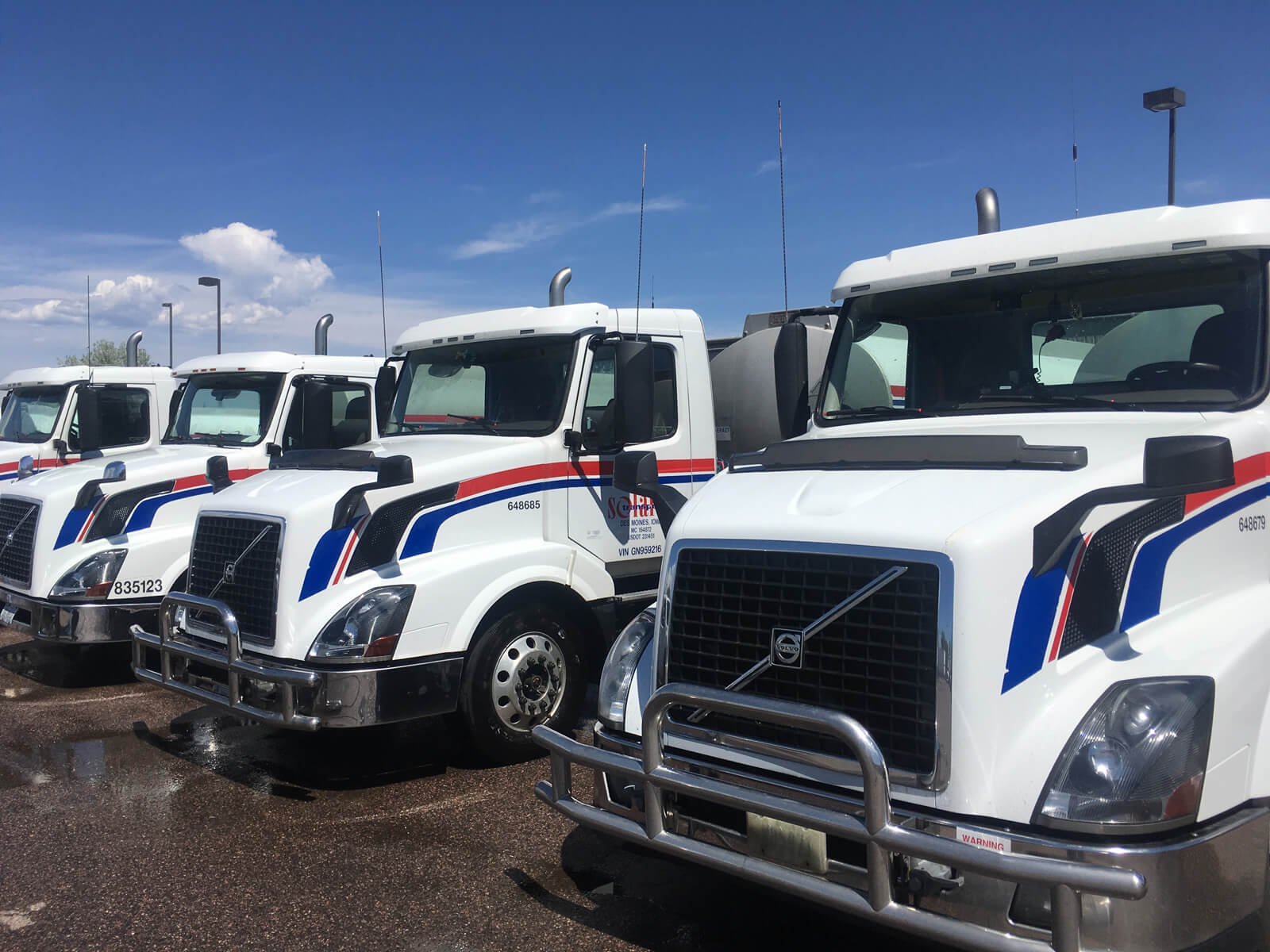
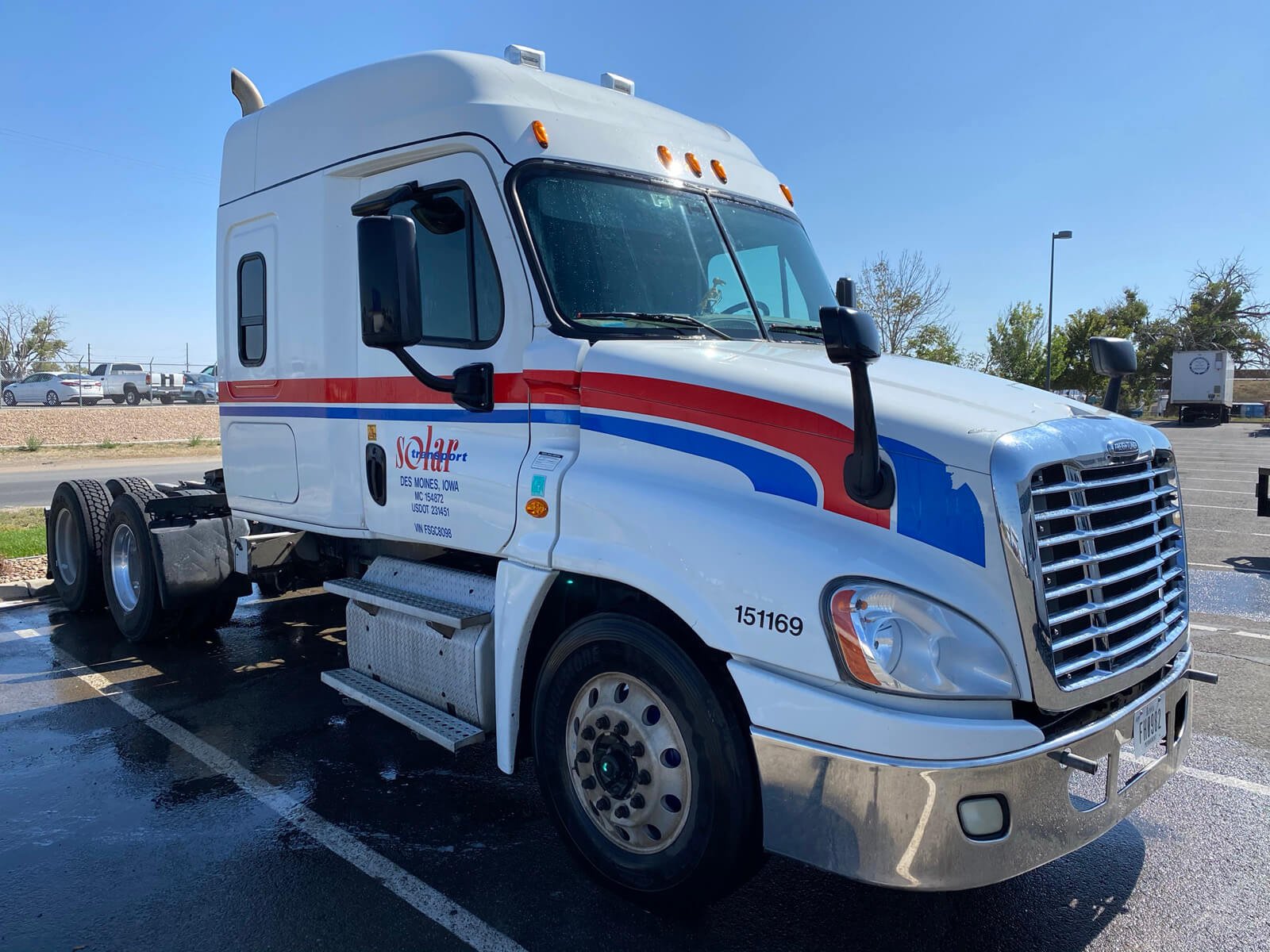
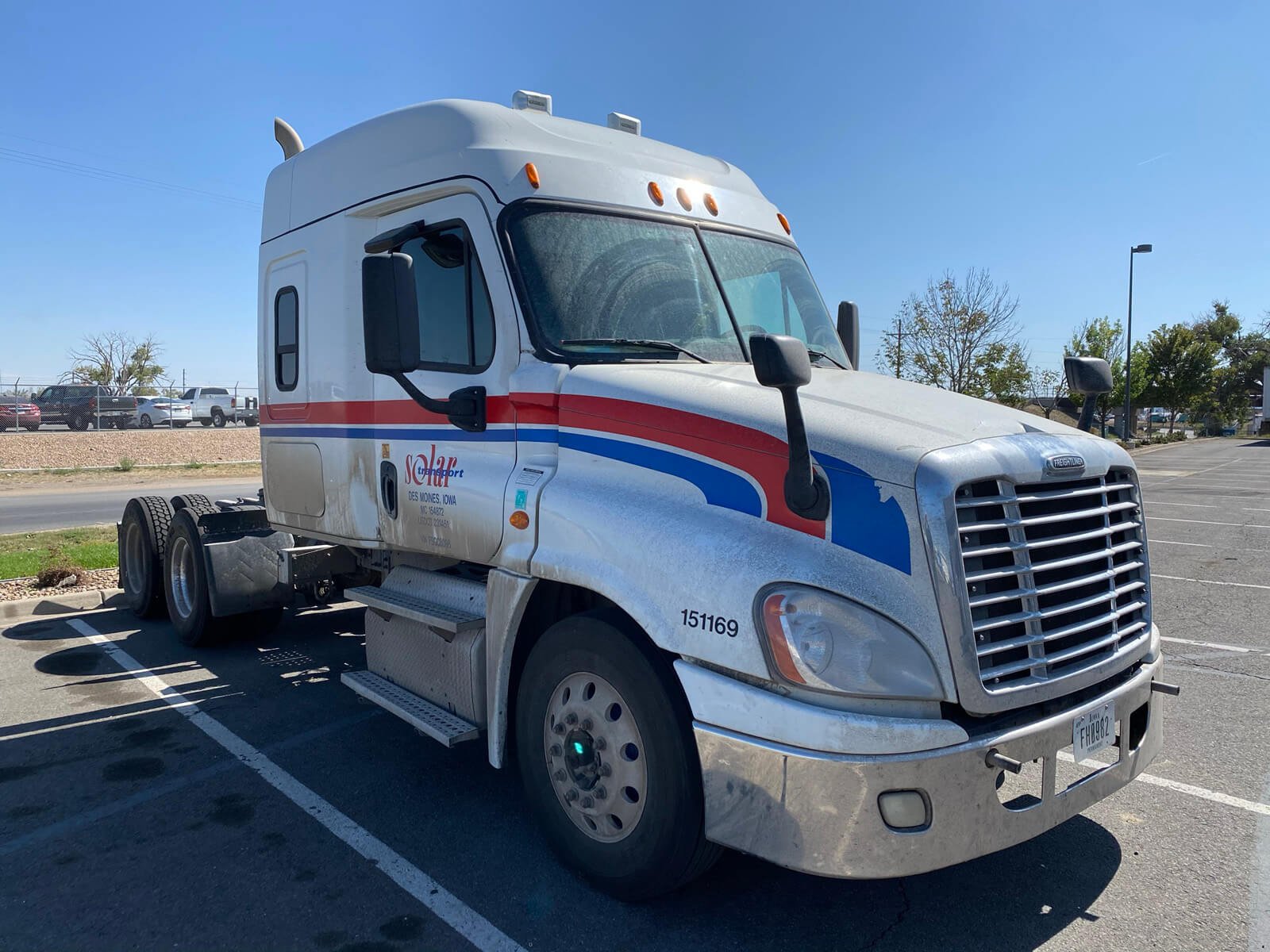
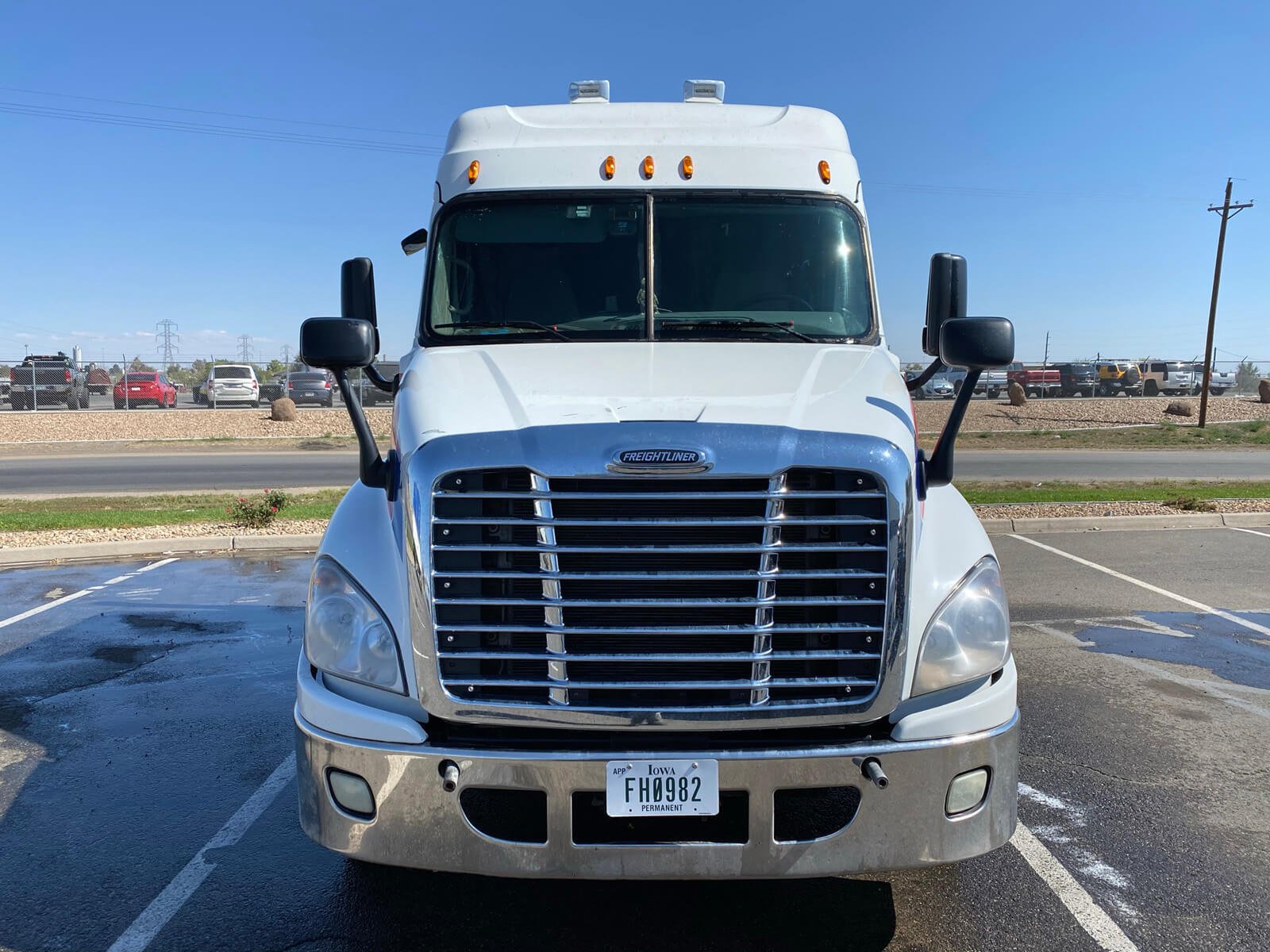
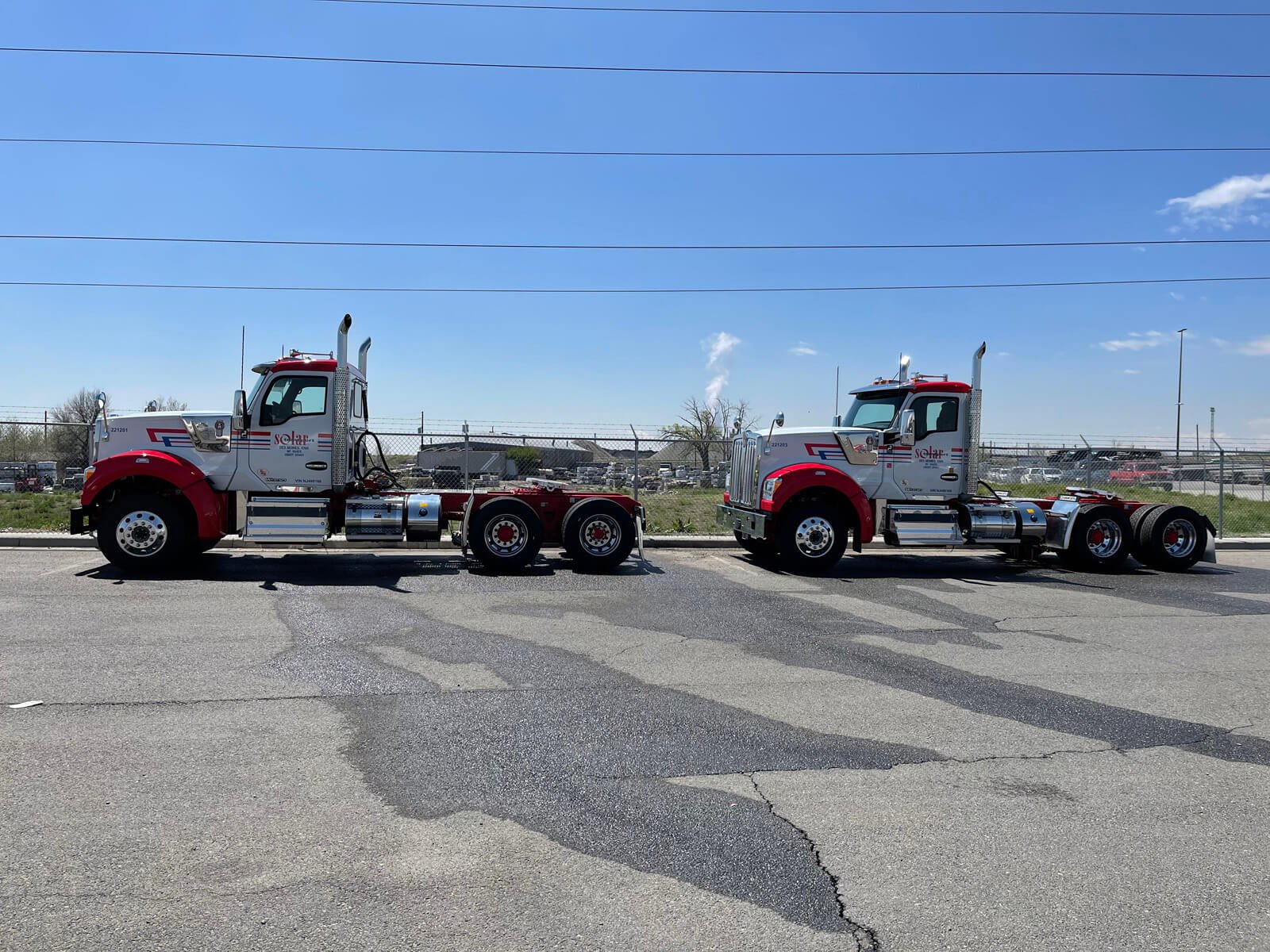
A clean truck presents a professional image, which is crucial for businesses relying on their fleet for deliveries or services. Regular pressure washing keeps the truck looking new and well-maintained.
Improved Safety
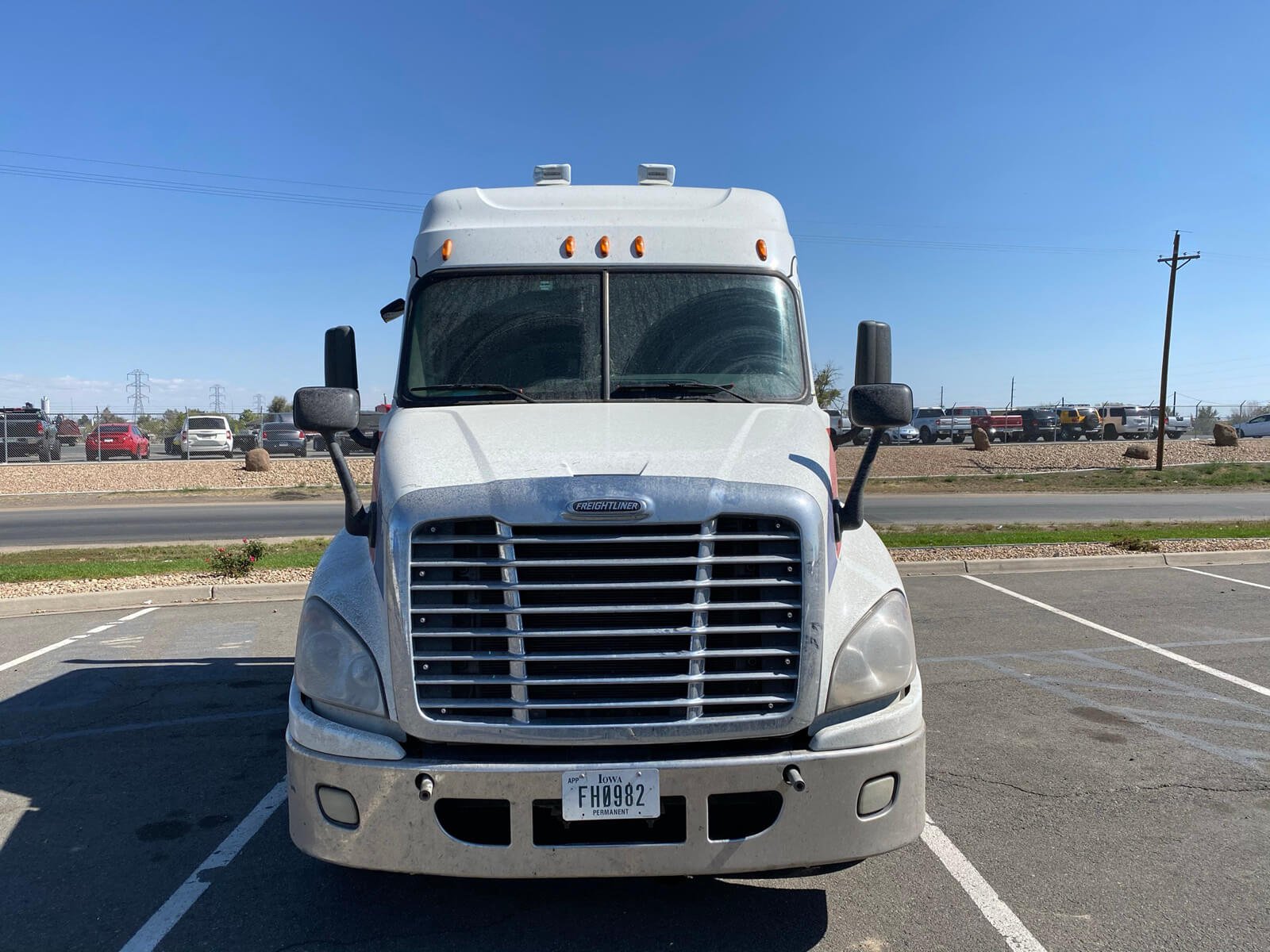
Dirt, grime, and oil can accumulate on a truck’s surface, leading to slippery conditions that can cause accidents. Pressure washing removes these hazards, ensuring safer operations.
Extended Lifespan
Removing corrosive substances like salt, chemicals, and grime helps prevent rust and other damage, thus extending the lifespan of your truck.
Increased Efficiency
A clean truck operates more efficiently. For instance, clean engines and undercarriages can run cooler and with less effort, leading to better fuel efficiency and lower maintenance costs.
Methods of Truck Pressure Washing
Hot Water Pressure Washing
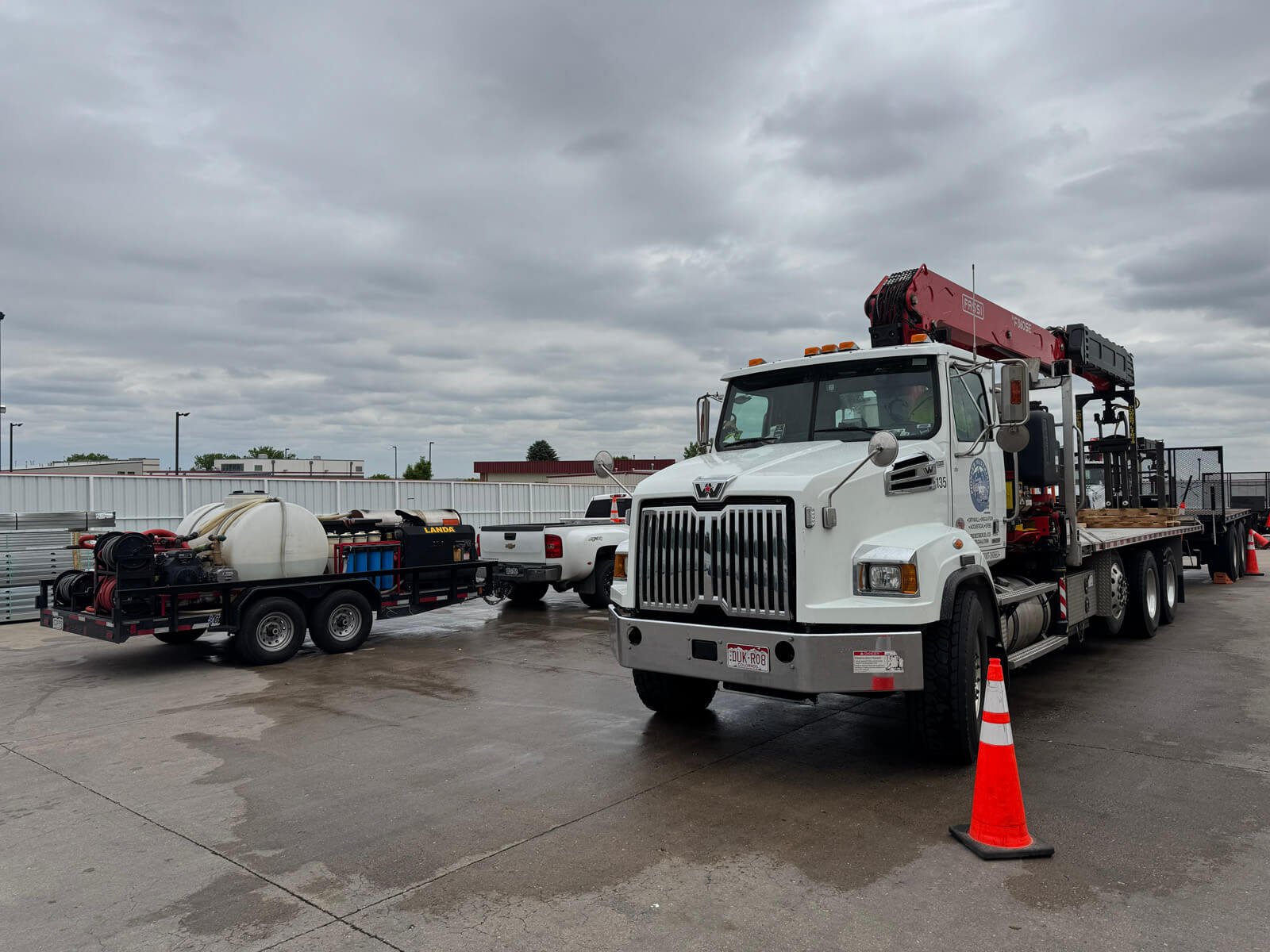
Hot water pressure washers are more effective for removing oil and grease stains. The heat helps to break down stubborn residues, making the cleaning process faster and more efficient.
Detergent Application
Using detergents can enhance the cleaning power of pressure washers. Specialized truck washing detergents can break down tough grime, making it easier to wash away.
Environmental Considerations
It’s important to use eco-friendly detergents and follow local regulations regarding wastewater disposal. Proper practices prevent environmental damage and ensure compliance with legal standards.
Best Practices for Truck Pressure Washing
Pre-Wash Inspection
Inspect the truck for any damages or sensitive areas that may need special care during washing. Cover electrical components and other vulnerable parts to prevent water damage.
Proper Equipment
Ensure you use the right pressure washer for the job, with appropriate nozzles and attachments. Using the incorrect equipment can cause damage to the truck’s surface or be ineffective in cleaning.
Correct Technique
Maintain a consistent distance between the pressure washer nozzle and the truck’s surface. Avoid holding the nozzle too close to prevent damage to paint and decals. Use overlapping strokes for even cleaning.
Regular Maintenance
Implement a regular washing schedule to keep the truck in optimal condition. Document the cleaning procedures and frequency to track maintenance and performance.
Conclusion
Truck pressure washing is an essential maintenance practice that offers numerous benefits, including enhanced appearance, improved safety, extended lifespan, and increased efficiency. By understanding the methods and best practices for pressure washing, you can ensure that your truck remains in top condition, contributing to the overall success and professionalism of your operations. Whether using cold or hot water pressure washing, incorporating detergents, or adhering to environmental guidelines, proper pressure washing techniques will help maintain the cleanliness and functionality of your truck fleet.