Colorado Warehouse Floor Cleaning Service
Ensuring a Safe and Efficient Environment
Maintaining a clean warehouse floor is essential for several reasons. It ensures the safety of employees, enhances operational efficiency, and prolongs the lifespan of the flooring. A clean warehouse floor helps to prevent accidents caused by slips, trips, and falls and contributes to a more organized and productive workspace.
Safety
Safety is a paramount concern in any warehouse environment. A dirty floor can lead to hazardous conditions such as spills, debris, and obstructions that may cause employees to slip or trip. Regular cleaning helps to eliminate these risks, providing a safer workplace for everyone.
Efficiency
A clean warehouse floor promotes efficiency by reducing the time employees spend navigating around obstacles and ensuring that machinery and equipment operate smoothly. Dust and dirt can cause machinery to malfunction, leading to costly repairs and downtime. By keeping the floor clean, you can ensure that your operations run seamlessly.
Durability
Regular cleaning also helps to preserve the integrity of the warehouse floor. Dust, dirt, and grime can wear down the flooring material over time, leading to cracks, chips, and other damage. Proper maintenance extends the lifespan of the floor, reducing the need for expensive repairs or replacements.
Warehouse Floor Cleaning Methods
Several methods can be used to clean warehouse floors, depending on the type of flooring and the level of cleanliness required. Here are some common methods:
Sweeping
Sweeping is a fundamental cleaning method that helps to remove loose debris, dust, and dirt from the floor. It is best suited for daily maintenance and can be done manually using a broom or with a mechanical sweeper for larger areas. Sweeping should be performed regularly to prevent the accumulation of dirt and debris.
Scrubbing
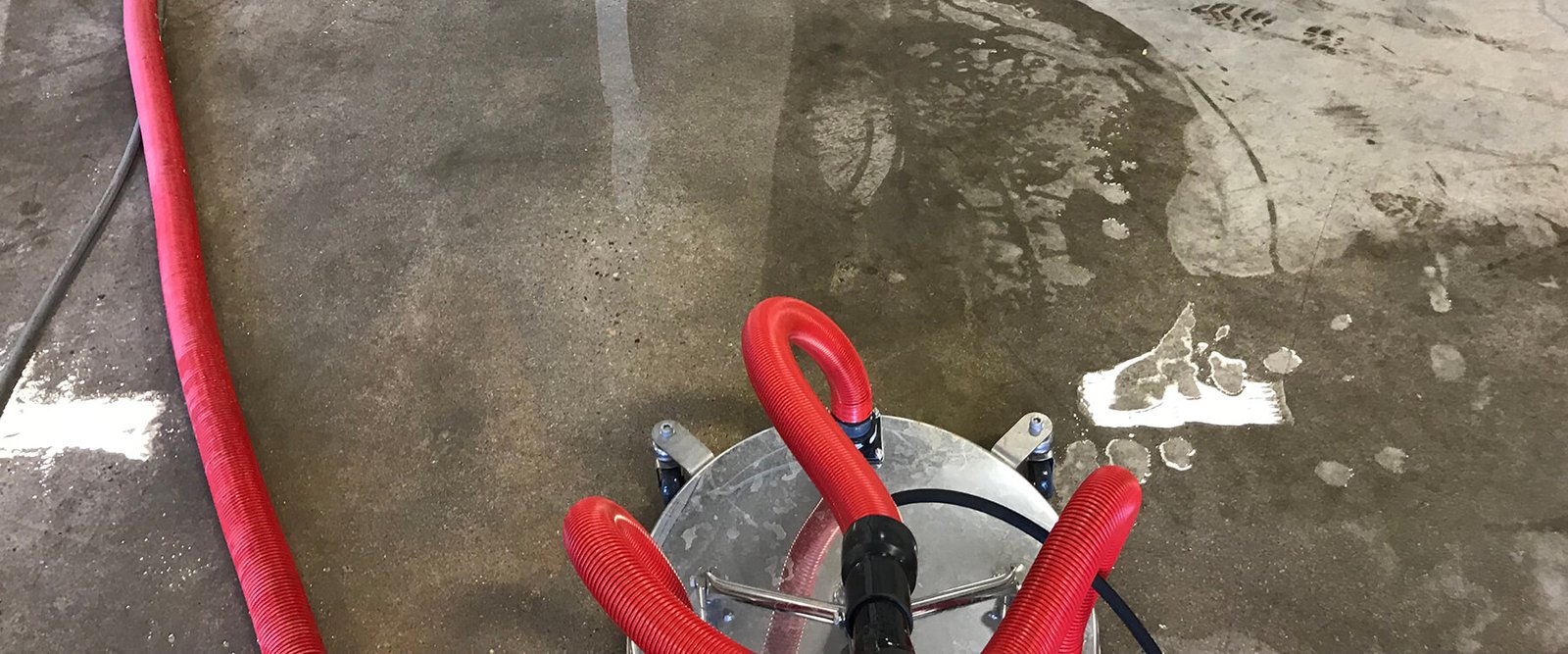
Scrubbing involves using a floor scrubber machine to deep clean the floor surface. This method is effective for removing stubborn stains, grease, and grime that cannot be eliminated by sweeping alone. Floor scrubbers use brushes or pads and a cleaning solution to scrub the floor, followed by a vacuum system to remove the dirty water. Scrubbing should be done periodically, depending on the level of foot traffic and the type of soil present.
Pressure Washing
Pressure washing uses high-pressure water to remove dirt, grime, and stains from the floor surface. This method is particularly effective for cleaning outdoor areas or heavily soiled indoor floors. Pressure washing should be done with care to avoid damaging the floor material and should be performed by trained personnel.
Choosing the Right Cleaning Products
Selecting the appropriate cleaning products is crucial for effective warehouse floor cleaning. The choice of product depends on the type of flooring, the level of dirt, and the specific cleaning requirements. Here are some considerations:
Floor Type
Different floor materials require different cleaning products. For example, concrete floors may need a pH-neutral cleaner to prevent damage, while epoxy-coated floors may require a product designed for resinous surfaces. Always check the manufacturer’s recommendations for the best cleaning products for your specific floor type.
Soil Type
The type of dirt and soil present in the warehouse will also influence the choice of cleaning product. For instance, grease and oil stains require a degreaser, while general dirt and dust can be cleaned with an all-purpose cleaner. Identify the main contaminants on your floor and select a product that effectively addresses them.
Environmental Considerations
Choose cleaning products that are environmentally friendly and safe for use in the warehouse. Avoid products that contain harsh chemicals or produce harmful fumes, as they can pose health risks to employees. Look for biodegradable and non-toxic cleaning solutions that meet safety standards.
Best Practices for Warehouse Floor Cleaning
Implementing best practices for floor cleaning ensures that the warehouse remains clean and safe. Here are some tips:
Regular Cleaning Schedule
Establish a regular cleaning schedule that includes daily, weekly, and monthly tasks. Daily tasks may include sweeping and spot cleaning, while weekly tasks may involve scrubbing and mopping. Monthly tasks could include deep cleaning and floor inspections. A consistent schedule helps to maintain cleanliness and prevent the buildup of dirt and grime.
Employee Training
Train employees on proper cleaning techniques and the use of cleaning equipment. Ensure that they understand the importance of maintaining a clean floor and how to handle cleaning products safely. Regular training sessions can help reinforce good cleaning habits and improve overall cleanliness.
Equipment Maintenance
Regularly inspect and maintain cleaning equipment to ensure it operates efficiently. Clean and replace brushes, pads, and filters as needed, and perform routine maintenance on machines to prevent breakdowns. Well-maintained equipment contributes to more effective cleaning and extends the lifespan of the tools.
Record Keeping
Keep records of cleaning activities, including the date, time, and tasks performed. This documentation helps to track the effectiveness of the cleaning program and identify areas that may need additional attention. Record keeping also provides accountability and ensures that cleaning tasks are completed consistently.
Conclusion
Warehouse floor cleaning is a vital aspect of maintaining a safe and efficient work environment. By implementing proper cleaning methods, choosing the right products, and following best practices, you can ensure that your warehouse floors remain clean and durable. A clean warehouse floor not only enhances safety but also supports overall productivity and operational success.